
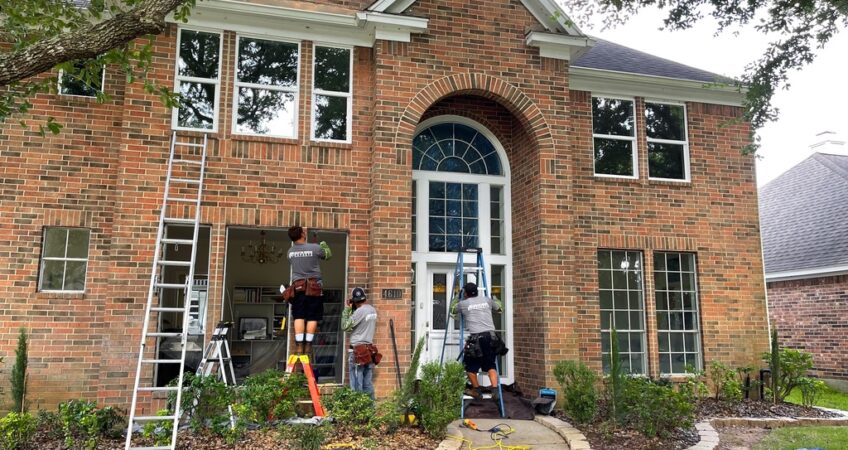
A window replacement project typically involves five stages: an initial consultation and measurement, product selection and ordering, home preparation, installation day, and a final walkthrough. According to Marvin, a two-person crew can replace a small to average-size window with an insert replacement in about an hour, so a typical home with 10 to 15 windows takes one to two days. According to a recent national survey, nearly 40% of homeowners say they will need new windows within the next five years, yet many are unsure about what actually happens during the process. This guide walks you through every step of a window replacement project from start to finish, so you know exactly what to expect before, during, and after installation day in your Oregon home.
What to Expect When Getting New Windows Installed
When getting new windows installed, you can expect the project to follow a clear sequence: a professional consultation, precise measurements, product ordering, home preparation, removal of old windows, installation of new windows, sealing and insulation, cleanup, and a final inspection. The entire process from first consultation to finished installation typically takes three to six weeks, with the actual in-home work lasting one to two days for most homes.
The consultation is where everything starts. A window specialist visits your home, evaluates your current windows, discusses your goals (energy savings, comfort, noise reduction, curb appeal), takes initial measurements, and walks you through product options. For homeowners in Newberg, Portland, and the Willamette Valley, this step also includes evaluating the impact of Oregon’s wet climate on your existing frames and seals.
After you choose your products, the installer returns for final measurements. These must be precise. According to Marvin, measurements are taken at multiple points (top, middle, bottom for width; left, center, right for height) and the smallest measurement is used to guarantee a proper fit. Custom windows are then ordered and typically arrive in two to four weeks. Specialty shapes or historic replications may take longer.
On installation day, the crew arrives, walks you through the plan, sets up protective coverings, removes the old windows, inspects the openings for damage, installs the new windows, seals everything, applies trim, cleans up, and does a final walkthrough with you. A reputable company leaves your home looking like the crew was never there, with one exception: your brand-new windows are in place and ready to use.
Homeowners in Beaverton, Tigard, and across the Portland metro who want to start the process can schedule a free in-home consultation with an experienced replacement windows professional to get the ball rolling.
How Long Does a Window Replacement Usually Take?
A window replacement usually takes one to two days for a typical home with 10 to 15 windows. According to Marvin, a two-person crew can install a small to average-size insert replacement window in about an hour, which works out to about eight windows per day.
The actual time depends on several factors: the number of windows, the type of installation (pocket/insert vs. full-frame), the size and style of the windows, whether any structural repairs are needed, and the story of the home. Simple pocket installations go faster because the existing frame stays in place and only the sash and glass are swapped. Full-frame replacements take longer because the entire old frame, trim, and sometimes siding must be removed and rebuilt.
According to Marvin, large windows take significantly longer, with some full-frame replacements taking several hours per window depending on trim complexity. A single patio door installation can take half a day or more because of wood rot repair and custom flashing work that is often needed. Second-story windows also add time because of scaffolding, safety equipment, and the extra effort required to move materials to upper floors.
Weather can also affect the timeline. Oregon’s rain is a factor that professional crews plan for. Experienced installers in the Portland metro work around the weather by installing one window at a time, keeping the opening sealed as quickly as possible, and using insulated barriers to maintain indoor comfort during the swap. According to one industry source, professional planning means the weather rarely delays a project when the right materials and techniques are used.
Homeowners in Newberg and the Willamette Valley planning a larger project that includes both windows and doors should expect two to four days. Bundling a windows and doors replacement into a single project reduces total installation time compared to scheduling them separately.
Do You Have to Remove Blinds When Replacing Windows?
Yes, you need to remove blinds, curtains, and any window treatments before the installation crew arrives. Removing them ahead of time protects them from dust and debris and gives the crew full access to work safely and efficiently.
According to Pella, one of the best things you can do before installation day is move furniture and decorations away from the windows being replaced to give the crew extra room to work. This includes blinds, curtains, valances, and any hardware mounted on or near the window frame.
If you have custom blinds or shutters that are mounted inside the window frame, they absolutely must be removed before installation. The old frame is being taken out, and anything attached to it will come off with it. If your blinds are mounted on the wall above the window, they may not need to be removed, but it is still a good idea to take them down to protect them from dust and accidental bumps.
Most homeowners find it helpful to take down all window treatments the evening before installation day. Store them in a safe room away from the work area. After the new windows are installed and the crew has cleaned up, you can rehang your treatments. Keep in mind that new windows may have slightly different dimensions than the old ones, so your existing blinds may need minor adjustments to fit properly.
How Should You Prepare Your Home for Window Installation?
You should prepare your home for window installation by removing window treatments, moving furniture at least three to four feet away from the windows, clearing the exterior around each window, securing pets and children in a safe area away from the work zone, and taking down any fragile items from nearby walls and shelves.
According to Marvin, the process of installing a window can rattle the walls, so remove fragile items like picture frames, vases, and decorative objects from shelving near the windows. Relocate floor lamps and tippy items away from the work area to reduce the chance of accidents. Professional crews bring drop cloths and plastic to protect floors and surfaces, but the more you clear ahead of time, the faster and smoother the installation goes.
On the exterior, make sure the crew has clear access to each window. Move patio furniture, planters, grills, garden hoses, and anything else that might block ladder placement or work space. If you have bushes or shrubs directly below a window, let the crew know so they can take extra care.
According to Pella, you should plan to be home and available on installation day while the crew is working. Someone needs to be on-site to answer questions, approve any unexpected findings (like hidden rot or water damage behind the old frame), and participate in the final walkthrough.
For Oregon homeowners, it is also wise to check the weather forecast and have a plan for keeping the house comfortable if it rains during installation. Experienced crews in the Portland metro install one window at a time and seal each opening quickly, but having the thermostat set and doors to the work area closed helps maintain indoor comfort throughout the day.
What Happens on Installation Day?
On installation day, the crew arrives at the scheduled time, introduces themselves, walks you through the plan for the day, sets up protective coverings inside your home, and begins removing the old windows one at a time.
The first step is protection. The crew lays down drop cloths on floors and covers nearby furniture to catch dust and debris. They set up their tools and materials in a staging area, usually near the front door or garage, and confirm the best access routes through the house.
Next, the old windows come out. The crew carefully removes the existing sashes, hardware, and (in a full-frame replacement) the entire frame. This part creates some dust and noise, but a good crew keeps it contained. Once the old window is out, the crew inspects the opening for hidden problems like water damage, rot, or structural issues. If repairs are needed, they are addressed before the new window goes in.
Then the new window is installed. The crew fits the new unit into the opening, checks it for level, plumb, and square, shims it into position, and secures it to the frame. They apply insulation foam around the perimeter to block air and water, install flashing tape for moisture protection, and seal everything with caulk. Interior and exterior trim is then reinstalled or replaced.
Each window is tested before the crew moves to the next one. They check that the sash opens and closes smoothly, the locks engage properly, and the seal is tight. This one-at-a-time approach means your home is never left with an open wall for more than the time it takes to install a single window.
At the end of the day, the crew does a full cleanup. They haul away all old windows and debris, vacuum the work areas, and leave your home as clean as they found it. The final step is a walkthrough with the crew leader, where they inspect every window with you, show you how to operate and clean your new windows, and answer any remaining questions.
What Is the Difference Between Pocket and Full-Frame Replacement?
The difference between pocket and full-frame replacement is that a pocket (insert) replacement fits a new window inside the existing frame, while a full-frame replacement removes the entire old frame down to the house structure and installs a completely new unit.
Pocket replacement is faster, less expensive, and less disruptive. According to Pella, a pocket installation can be completed in about an hour per window. The existing frame, trim, and siding stay in place. A new window unit is simply inserted into the opening and sealed. This method works best when the existing frame is in good condition and structurally sound.
Full-frame replacement is more involved but gives you the best possible result. According to Marvin, a single full-frame installation can take several hours depending on trim complexity. The entire old frame, including jambs, sill, and sometimes interior and exterior trim, is removed. The crew then inspects the rough opening for rot or damage, makes any necessary repairs, and installs a brand-new frame and window unit from scratch. Full-frame replacement is the better choice for older Oregon homes where decades of rain have damaged the original frames.
One tradeoff with pocket replacement is that the new window is slightly smaller than the original because it has to fit inside the existing frame. This reduces the glass area by a small amount. Full-frame replacement gives you the maximum possible glass area because the new frame fills the entire rough opening.
For homeowners in Newberg, Portland, and across the Willamette Valley, the right method depends on the condition of the existing frames. A professional installer will evaluate each window and recommend the best approach. Homes built before the 1980s in Oregon’s wet climate are more likely to need full-frame replacement due to moisture damage in the original wood frames.
What Is the Average Cost to Install a Replacement Window?
The average cost to install a replacement window in Oregon ranges from $450 to $1,500 per window including materials and labor, depending on the frame material, glass type, window style, and installation method. According to Angi, the average cost to replace one window in Portland is about $825.
According to the 2025 This Old House survey, the average vinyl window costs $558 per window and the average fiberglass window costs $651 per window (for the unit alone). In the Portland metro area, installation labor adds another $110 to $360 per window, according to Angi. Oregon prices tend to run about 10% higher than the national average because of the wet climate, stricter energy codes, and higher construction labor costs.
For a full home project with 10 to 15 windows, total costs typically range from $4,500 to $22,500. According to HomeGuide, replacing all windows in a single project brings the per-window cost down by 15% to 30% compared to doing them one at a time. The savings come from bulk material pricing and reduced setup time for the installation crew.
Permit costs are another factor. According to Angi, permits in Portland range from $145 to $380 and are required when you change a window’s size or structure. Standard same-size replacements typically do not require a permit, but it is always smart to confirm with your local building department.
Homeowners in Tigard and the surrounding Portland metro area looking for transparent, no-surprise pricing can schedule a free consultation through replacement windows and doors in Tigard to get a detailed quote tailored to their specific home.
What Time of Year Are Windows the Cheapest?
Windows are the cheapest in late fall through early winter, typically November through February. Demand for window installation drops during the colder months, and many contractors and manufacturers offer discounts or promotions to keep crews busy during the slow season.
Spring and summer are the busiest seasons for window replacement across Oregon. Homeowners in Portland, Beaverton, and Newberg tend to schedule projects when the weather warms up, which drives up wait times and reduces room for negotiating on price. By scheduling during the off-season, you often get faster service, more scheduling flexibility, and better pricing on both materials and labor.
Oregon’s mild Willamette Valley winters make year-round installation possible. Unlike regions with extreme cold, professional crews can install windows comfortably in the Portland metro throughout the winter months. Many manufacturers also run end-of-year clearance promotions, which lower material costs on top of already-reduced off-season labor rates.
If your current windows are drafty or failing, the best time to replace them is now, regardless of season. According to the U.S. Department of Energy, about 30% of a home’s heating energy is lost through windows. Every month you wait with old, underperforming windows costs you money in wasted energy. Getting new windows installed before the peak of winter means you start saving on heating costs right away.
How Do You Know When Your Windows Need Replacing?
You know your windows need replacing when you notice drafts near the glass or frame, condensation or fog between the panes, difficulty opening or closing the sash, visible frame damage like rot or warping, rising energy bills, or excessive outside noise coming through closed windows.
According to the National Association of Home Builders, vinyl windows last 20 to 40 years and fiberglass windows last 30 to 50 years. If your windows are approaching or have passed 20 years, they are prime candidates for evaluation, even if they still look okay from the outside.
Condensation between the glass panes is a clear sign that the seal has failed and the insulating gas has escaped. Once that happens, the window has lost a major portion of its energy efficiency and cannot be repaired. Fogged windows need to be replaced.
According to the U.S. Department of Energy, heat gain and heat loss through windows account for 25% to 30% of residential heating and cooling energy use. If your energy bills have been creeping up and you cannot explain the increase, your windows may be the cause. Old or failing windows let conditioned air escape and force your HVAC system to work harder.
Oregon’s wet climate accelerates window wear. Constant rain, temperature swings, and UV exposure during summer months all take a toll on seals, frames, and hardware. Homeowners in Salem, Newberg, and across the Willamette Valley with windows from the early 2000s should schedule a professional evaluation. EnergyGuard Windows & Doors offers free in-home consultations to assess your current windows and give you honest recommendations.
Is Window Replacement Tax Deductible?
Window replacement is not tax deductible as a standard home improvement. However, homeowners who installed qualifying ENERGY STAR Most Efficient windows before December 31, 2025, may have been eligible for a federal tax credit of 30% of the product cost (not labor), up to $600 per year.
According to the IRS and ENERGY STAR, the One Big Beautiful Bill Act signed on July 4, 2025, terminated this credit for windows installed after December 31, 2025. Homeowners who completed qualifying installations in 2025 can still claim the credit when filing their 2025 taxes in 2026. A four-digit Qualified Manufacturer Identification Number (QMID) is required on the tax return.
While the federal tax credit is no longer available for new installations, Oregon homeowners still have access to Energy Trust of Oregon cash incentives. The Energy Trust offers up to $1.50 per square foot for windows with a U-value of 0.24 or better, and $1.00 per square foot for windows with a U-value of 0.27 or better. Income-qualified households may be eligible for higher incentive amounts through the Savings Within Reach program.
Homeowners across Portland, Beaverton, and Newberg can take advantage of these incentives by working with an Energy Trust trade ally contractor. Replacement windows and doors in Beaverton from a certified trade ally often include instant incentives applied directly to the project invoice.
Are There Tax Credits for New Windows in 2026?
No, there are currently no federal tax credits available for new windows installed in 2026. According to the IRS, the One Big Beautiful Bill Act signed on July 4, 2025, terminated the Section 25C Energy Efficient Home Improvement Credit for windows installed after December 31, 2025.
Before the termination, the credit covered 30% of the product cost up to $600 per year for ENERGY STAR Most Efficient windows. Homeowners who completed qualifying installations in 2025 can still claim the credit on their 2025 tax return filed in 2026, but no new installations qualify going forward under current law.
Congress could pass new legislation in the future to restore or modify energy efficiency tax credits, but nothing is guaranteed. Homeowners should not delay a needed window project in hopes of a future credit. The energy savings, comfort improvements, and home value increase from new windows deliver returns that start the day the windows are installed.
Oregon homeowners still benefit from Energy Trust of Oregon cash incentives, which remain active and available for qualifying window installations regardless of federal tax credit status. These incentives can reduce the out-of-pocket cost of a project by hundreds or even thousands of dollars depending on the number of windows and their energy ratings.
Can I Get Money to Replace My Windows?
Yes, Oregon homeowners can get money to help replace their windows through the Energy Trust of Oregon cash incentive program. The Energy Trust offers up to $1.50 per square foot for windows with a U-value of 0.24 or better, and $1.00 per square foot for windows with a U-value of 0.27 or better.
To qualify, you must live in a single-family home, condo, townhome, or manufactured home in Oregon and receive electricity or natural gas from a participating utility such as Portland General Electric, Pacific Power, NW Natural, or Cascade Natural Gas. The replacement windows must be replacing existing single-pane windows or metal-frame double-pane windows.
According to the Oregon Department of Energy, the state is also rolling out Home Energy Rebate Programs funded by the federal Inflation Reduction Act. These programs, administered by Energy Trust of Oregon and Earth Advantage, may offer additional rebates for energy-efficient home improvements including windows. Income-qualified households may be eligible for even higher incentive amounts through Energy Trust’s Savings Within Reach program.
Working with an Energy Trust trade ally contractor is the easiest way to access these incentives. Trade ally contractors handle the paperwork and can apply instant incentives directly to your project invoice, so you see the savings immediately rather than waiting for a rebate check. Replacement windows and doors in Newberg from a certified trade ally make the incentive process simple and seamless.
What Should You Look for in a Window Installation Company?
You should look for a window installation company that is licensed, insured, certified by the manufacturer, experienced in your local climate, transparent about pricing, and willing to provide references and warranty details in writing.
In Oregon, state law requires anyone performing construction work for compensation to be licensed with the Construction Contractors Board (CCB). Always verify that your installer has an active CCB license before signing any contract. EPA Lead-Safe Certification is also required for work on homes built before 1978, because older paint may contain lead that must be handled safely during removal.
Manufacturer certifications matter. AAMA (American Architectural Manufacturers Association) installation master certification means the installer has been trained and tested on the proper methods for installing windows to prevent air leaks, water intrusion, and structural problems. Not all contractors hold this certification, and homeowners who choose a certified installer get a higher level of quality assurance.
Energy Trust of Oregon trade ally enrollment is another mark of quality for Oregon homeowners. Trade ally contractors are vetted by the Energy Trust and are authorized to offer instant incentives on qualifying products. This saves you money and simplifies the rebate process.
Look for a company that offers a detailed, written quote with no hidden fees. The quote should break out the cost of materials, labor, and any extras like trim replacement, structural repairs, or permit fees. A reputable company will walk you through every line item and explain exactly what you are paying for.
Homeowners in Portland, Newberg, and Salem who want to work with a company that checks every box can reach out to replacement windows and doors in Portland for a transparent, no-obligation consultation.
Window Replacement Timeline at a Glance
| Stage | What Happens | Typical Timeline |
|---|---|---|
| Free Consultation | Home visit, window evaluation, product discussion, initial measurements | 1-2 hours |
| Final Measurements | Precise measurements taken for ordering custom-fit windows | 1-2 hours |
| Product Ordering | Windows manufactured and delivered to installer | 2-4 weeks (longer for custom/specialty) |
| Home Preparation | Remove blinds, move furniture, clear exterior access | Evening before install |
| Installation Day | Old windows removed, openings inspected, new windows installed, sealed, trimmed | 1-2 days (10-15 windows) |
| Per Window (Pocket Insert) | Remove old sash, install new unit, seal, test | About 1 hour each |
| Per Window (Full-Frame) | Remove entire frame, repair opening, install new frame and window, seal, trim | 2-4 hours each |
| Cleanup & Walkthrough | Debris hauled away, areas cleaned, final inspection with homeowner | 30-60 minutes |
Sources: Marvin, Pella, Window Buyer’s Guide, West Shore Home
Is It Worth Replacing 20-Year-Old Windows?
Yes, it is worth replacing 20-year-old windows. At 20 years, most vinyl windows have reached the midpoint to end of their expected lifespan and are very likely showing reduced energy performance, seal failures, or operational problems.
According to the Window and Door Manufacturers Association, vinyl windows can show measurable energy decline after 10 to 12 years as seals degrade and frames lose stability. By 20 years, many windows have foggy glass, noticeable drafts, and frames that are discolored or becoming brittle.
Window technology has improved dramatically since the early 2000s. Today’s windows feature advanced low-E coatings, argon gas fills, and multi-chamber frame designs that far outperform older models. According to ENERGY STAR, upgrading to certified windows can reduce heating and cooling costs by an average of 13%. The 2025 This Old House survey found that homeowners who replaced their windows saved an average of $42.50 per month on energy bills.
Replacing 20-year-old windows also adds value to your home. According to Remodeling Magazine’s 2024 Cost vs. Value report, vinyl replacement windows recoup about 67% of the project cost at resale. Data from the Journal of Light Construction puts that figure at 76%. For homeowners in Salem and across the Willamette Valley preparing to sell, new windows make a strong first impression on buyers.
If you are unsure whether your 20-year-old windows need replacing, a free consultation is the best starting point. Replacement doors and windows in Salem include professional evaluations that assess every window in your home and give you clear, honest guidance.
Frequently Asked Questions
How Much Mess Does Window Replacement Create?
Window replacement creates a moderate amount of dust and debris, but a professional crew keeps it contained. According to Pella, installers cover work areas with drop cloths to catch debris and dust. The old window removal is the messiest part, but crews work one window at a time and clean as they go. At the end of the project, all old windows, materials, and debris are hauled away, and the work areas are vacuumed and wiped down. Most homeowners in Newberg and the Portland metro are surprised by how clean the process is when done by an experienced crew.
Can I Stay Home During Window Installation?
Yes, you can and should stay home during window installation. According to Pella, someone needs to be available while the crew is working to answer questions, approve any unexpected findings, and participate in the final walkthrough. You do not need to watch every step, but being home gives you peace of mind and keeps the project running smoothly. Keep pets and young children in a safe area away from the work zone.
Will My House Be Cold or Open During Installation?
No, your house should not be cold or left open for an extended period. Professional crews install one window at a time, removing the old window and installing the new one before moving to the next opening. According to one industry source, experienced installers use insulated barriers and work quickly to limit heat loss, even during Oregon’s cooler months. In winter, most homes stay comfortable throughout the process because only one opening is exposed at any given time.
How Long After Installation Before I Can Use the Windows?
You can use your new windows immediately after installation. The crew tests every window for smooth operation and proper closure before they leave. Caulk and sealants need 24 to 48 hours to fully cure, so avoid touching or painting over fresh caulk lines during that time. The windows themselves are fully functional and can be opened and closed right away.
Do I Need a Permit for Window Replacement in Oregon?
You typically do not need a permit for a same-size, like-for-like window replacement in Oregon. According to Angi, permits are required when you change a window’s size or structure. Permit costs in the Portland area range from $145 to $380. If you are changing a window from one style to another (for example, replacing a picture window with a casement), check with your local building department. A reputable contractor will know the local requirements and handle the permit process as part of the project.
What Warranty Should I Expect on New Windows?
You should expect a manufacturer warranty that covers the frame, glass, and hardware for at least 20 years, with the best brands offering a full lifetime warranty. Milgard, for example, backs its windows with a full lifetime warranty that covers glass breakage, seal failure, and hardware defects for as long as the original purchaser owns the home. You should also receive a separate workmanship warranty from the installer that covers the labor and installation quality. Always get warranty details in writing before signing a contract.
How Do I Care for My New Windows After Installation?
Caring for new windows is simple. Clean the glass and frames once or twice a year with mild soap and water. Avoid abrasive cleaners or pressure washers. Inspect the caulk and weatherstripping annually for cracks or gaps and reseal as needed. Keep tracks clean of dirt and debris to keep the sash operating smoothly. Lubricate hardware and hinges (especially on casement windows) once a year with a silicone-based lubricant. For Oregon homes, checking the exterior caulk before the rainy season each fall helps prevent moisture intrusion.
Final Thoughts
A window replacement project does not have to be stressful or mysterious. When you work with an experienced, certified company, the process follows a clear, predictable path from the first consultation to the final walkthrough. The key to a smooth project is preparation, communication, and choosing the right installer. Clear your window areas ahead of time, ask questions at every stage, and make sure you understand the timeline, costs, and warranty before work begins.
The payoff is immediate. New windows improve your home’s comfort, cut your energy bills, reduce outside noise, and boost your curb appeal from the very first day. According to the U.S. Department of Energy, heat gain and heat loss through windows are responsible for 25% to 30% of residential heating and cooling energy use. Replacing old, failing windows with modern, energy-efficient models is one of the smartest investments any Oregon homeowner can make.
EnergyGuard Windows & Doors has been guiding homeowners across Newberg, Portland, Beaverton, Tigard, Salem, and the surrounding Oregon communities through the window replacement process for over 40 years. As a family-owned company, AAMA installation master certified, EPA Lead-Safe Certified, and an Energy Trust of Oregon trade ally, they handle every step from consultation to cleanup with the care and professionalism your home deserves. Call (503) 554-5500 or schedule a free in-home design consultation today to get started on your replacement windows project.