
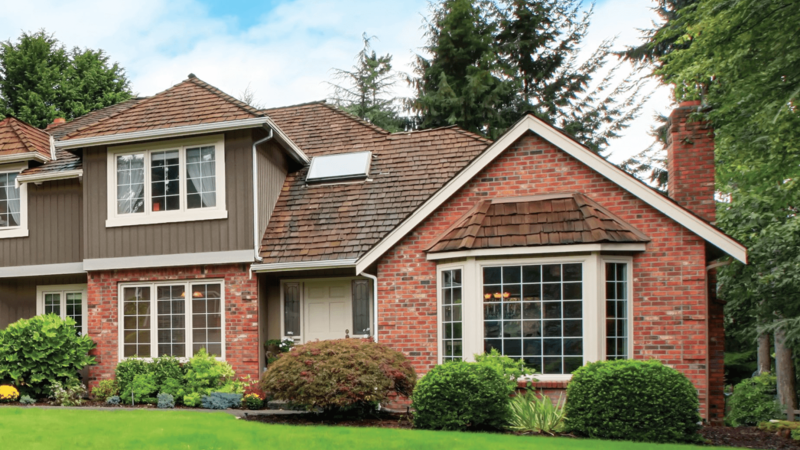
The best window styles for older homes in Portland are double-hung windows, casement windows, and picture windows, each matched to the specific architectural style of the house. Portland’s most common older home styles include Craftsman bungalows, Foursquares, Victorians, Colonial Revivals, and Tudor homes, and each one has window patterns that define its character. According to the U.S. Department of Energy, heat gain and heat loss through windows account for 25% to 30% of residential heating and cooling energy use. Replacing the original windows in an older Portland home with modern, energy-efficient models that respect the home’s architecture is one of the smartest investments you can make, improving comfort, lowering energy bills, and protecting the home’s value and curb appeal for decades to come.
What Are the Best Replacement Windows for an Old House?
The best replacement windows for an old house are ones that match the original style, proportions, and sightlines of the home’s architecture while upgrading the energy performance to modern standards. For most older Portland homes, that means double-hung windows with divided-light grids, period-appropriate frame profiles, and high-performance double-pane or triple-pane glass with low-E coatings and argon gas fills.
The key is to preserve the look while upgrading the performance. An older Craftsman bungalow in Laurelhurst or Irvington has a specific window pattern that defines its street presence. Swapping those original double-hung windows for a modern casement or sliding window would clash with the architecture and hurt curb appeal. But replacing them with modern double-hung windows that have the same proportions, grid patterns, and trim profiles keeps the home looking authentic while delivering dramatically better energy efficiency, comfort, and noise reduction.
According to the 2025 This Old House survey, energy efficiency was the number one factor for over 40% of homeowners choosing replacement windows. Modern double-hung windows with low-E glass and argon gas can achieve U-factors of 0.27 or lower, cutting heat transfer by more than 70% compared to the original single-pane windows found in most pre-1960 Portland homes.
Premium window brands like Marvin and Milgard offer lines specifically designed for older and historic homes. Marvin’s wood and fiberglass options can be customized with woodgrain finishes, divided-light grids, and period-appropriate hardware that honor the original design. Milgard’s vinyl and fiberglass lines offer a range of grid patterns and color options that complement Portland’s most popular older home styles.
Homeowners across Portland, Newberg, and the Willamette Valley who own older homes can schedule a free consultation with an experienced replacement windows specialist to evaluate their existing windows and explore options that match their home’s architecture.
What Is an Old Portland-Style Home?
An old Portland-style home is typically a Craftsman bungalow, Foursquare, Victorian, Colonial Revival, Tudor, or Dutch Colonial built between the 1880s and the 1940s. These homes define Portland’s most beloved neighborhoods, from Laurelhurst and Irvington to Ladd’s Addition, Sunnyside, and the West Hills.
The Craftsman bungalow is the most iconic Portland home style. Built mostly between 1905 and the late 1920s, these one-and-a-half-story homes feature low-pitched gable roofs, deep overhanging eaves, wide front porches with tapered columns, exposed rafter tails, and bands of grouped windows that flood the interior with natural light. According to Preservation Artisans Guild, the highest concentration of Craftsman homes in Portland can be found in Irvington, Piedmont, Sunnyside, Ladd’s Addition, West Hills, and Northwest Portland.
The Foursquare is another Portland staple, popular from the late 1800s into the first half of the 1900s. These boxy, two-story homes with hipped roofs are sometimes called “Old Portland” because they are so common in the city’s close-in neighborhoods. They typically feature double-hung windows with simple, clean lines.
Victorian homes, built from the 1880s through the early 1900s, are the most ornate. They feature bay windows, tall narrow double-hung windows, decorative trim, and sometimes stained or leaded glass. Colonial Revival homes, popular in Portland from the early 1900s through the 1950s, are symmetrical with a central porch and classic double-hung windows with shutters. Tudor homes feature steeply pitched roofs, smaller windows, and cozy interior spaces with arched details.
Each of these styles has a specific window character that must be respected when choosing replacements. The wrong window style can make a beautiful old Portland home look awkward and out of place.
What Type of Windows Are in Older Homes?
The type of windows most commonly found in older Portland homes are single-pane, wood-frame, double-hung windows. Many of these windows are original to the house and are 60 to 100 years old or more. Some older homes also have fixed picture windows, casement windows (especially in Craftsman and bungalow styles), and specialty shapes like arched or round-top windows in Victorian homes.
The original single-pane wood windows in these homes were well-built for their time, but they offer almost no insulation by modern standards. A single pane of glass has a U-factor of roughly 1.0, which means it provides next to no resistance to heat transfer. By comparison, a modern double-pane window with low-E glass and argon gas achieves a U-factor of 0.27 or lower.
According to the U.S. Department of Energy, homeowners with single-pane windows spend hundreds of dollars more per year on heating and cooling than those with ENERGY STAR certified windows. In Portland, where about half of all homes heat with electricity and residential rates have been climbing (up 5.5% in 2025 alone according to OPB), that energy waste hits the monthly bill hard.
Many original wood-frame windows in older Portland homes also show signs of rot, peeling paint, failed glazing putty, broken sash cords, stuck sashes, and drafts. Oregon’s heavy rainfall accelerates wood deterioration, especially on frames that have not been consistently maintained over the decades. When the frames are this far gone, repair is often more expensive and less effective than a full replacement with modern, energy-efficient windows.
Homeowners in Portland’s historic neighborhoods who want to preserve their home’s original character while upgrading performance can find options through replacement windows and doors in Portland that combine period-appropriate aesthetics with modern energy technology.
Which Windows Are Considered Outdated?
Windows that are considered outdated include original single-pane wood windows with failed glazing, aluminum-frame windows from the 1970s and 1980s, and early double-pane windows from the 1990s that lack low-E coatings or gas fills. These products no longer meet modern energy codes and are a major source of energy loss in older Portland homes.
Single-pane windows are the most outdated type still found in Portland’s older neighborhoods. According to ENERGY STAR, installing certified energy-efficient windows can reduce heating and cooling costs by an average of 13% compared to non-certified products. Homeowners replacing old single-pane windows can save an average of $366 per year on energy bills.
Aluminum-frame windows were added to many Portland homes during renovations in the 1970s and 1980s. Aluminum conducts heat rapidly and offers poor insulation. These frames also tend to develop condensation problems because the metal gets as cold as the outdoor air, creating moisture on the interior glass surface.
Oregon’s building code now requires replacement windows to have a U-factor of 0.30 or less. Most original single-pane windows and older aluminum-frame windows fall far short of that standard. Upgrading to modern vinyl or fiberglass windows with double-pane or triple-pane low-E glass brings these homes into compliance and delivers a dramatic improvement in comfort and energy savings.
What Window Style Matches a Craftsman Home in Portland?
The window style that matches a Craftsman home in Portland is a double-hung window with a divided-light grid pattern in the upper sash and a clear lower sash. This configuration is sometimes called “one-over-one with upper grids” or “four-over-one” and is one of the most defining features of Craftsman architecture.
Craftsman homes also commonly feature bands of grouped windows, where two or three windows are set side by side in a row. These grouped windows fill the interior with natural light, which was a key principle of the Craftsman design movement. Picture windows flanked by operable double-hung or casement windows are also common in larger Craftsman homes.
According to the Preservation Artisans Guild, the most identifying feature of Craftsman houses in the Pacific Northwest is the abundant use of natural wood. That design preference carries into the window aesthetic, where wood-grain finishes, warm tones, and visible trim profiles complement the home’s handcrafted character.
Modern replacement windows from brands like Marvin and Milgard can be configured with Craftsman-appropriate grid patterns, woodgrain interior finishes, and period-accurate trim profiles. Fiberglass windows are an especially strong match because they can be finished to closely resemble real wood while offering far superior moisture resistance and longevity, which is critical in Portland’s wet climate.
Homeowners in Portland’s Craftsman-rich neighborhoods like Laurelhurst, Irvington, and Ladd’s Addition can preserve their home’s character while gaining the full benefits of modern energy efficiency. Visiting a showroom and seeing these products configured with Craftsman grid patterns makes the decision much easier.
What Windows Work Best for Victorian Homes in Portland?
The windows that work best for Victorian homes in Portland are tall, narrow double-hung windows with divided-light grids, bay windows, and specialty shapes like arched or round-top windows. Victorian architecture is ornate and detailed, so the replacement windows need to honor that level of craftsmanship.
Victorian homes in Portland typically have tall windows with narrow proportions that emphasize the home’s vertical height. The original windows often featured multi-pane grids with six, eight, or more divided lights in each sash. Some had decorative stained or leaded glass in the transoms or sidelights.
Bay windows are another signature element of Portland’s Victorians. These projecting windows add dimension to the facade and create cozy interior alcoves. Modern bay window replacements can be configured with matching grid patterns and trim to blend seamlessly with the rest of the home.
For Victorian homes, wood or fiberglass frames with custom paint colors often provide the closest match to the originals. Premium brands offer a wide palette of exterior colors and can match specific historic paint colors when needed. Interior finishes can include woodgrain or painted options to complement the home’s period details.
Portland’s Victorian homes in neighborhoods like Nob Hill, Buckman, and the Alphabet District often fall under historic preservation guidelines that may dictate specific requirements for replacement windows. Working with an installer who understands these rules is critical. EnergyGuard Windows & Doors helps Portland homeowners navigate local preservation standards while finding solutions that meet both aesthetic and energy performance goals.
Which Window Type Adds More Home Value?
The window type that adds the most home value to an older Portland home is the one that matches the home’s original architecture while providing modern energy efficiency. According to Remodeling Magazine’s 2024 Cost vs. Value report, vinyl replacement windows recoup about 67% of the project cost at resale. Data from the Journal of Light Construction puts the ROI for vinyl window replacement at 76%.
For older homes, the curb appeal factor is especially important. Portland buyers actively seek out well-maintained Craftsman, Victorian, and Colonial homes. New windows that respect the original style signal that the home has been cared for and updated thoughtfully. Mismatched or generic-looking windows do the opposite and can actually reduce buyer interest.
Energy efficiency is another major selling point. According to ENERGY STAR, certified windows reduce heating and cooling costs by an average of 13%. Portland buyers know that new, efficient windows mean lower utility bills and better year-round comfort. In a competitive market where many buyers are choosing between similar older homes in the same neighborhood, new windows can be the detail that tips the decision in your favor.
According to the 2025 This Old House survey, homeowners who replaced their windows saved an average of $42.50 per month on energy bills. For a buyer evaluating a home, knowing they will not need to replace the windows for 20 to 50 years (depending on the material) is a significant financial advantage that translates directly into perceived value.
Homeowners in Salem and the Willamette Valley with older homes preparing for sale can maximize their return by choosing replacement doors and windows in Salem that match the home’s style and deliver strong energy performance.
Do Older Portland Homes Need Full-Frame or Pocket Replacement?
Older Portland homes usually need full-frame replacement rather than pocket (insert) replacement. The original wood frames in homes built before 1960 have often been exposed to 60 to 100 years of Oregon rain, and many show rot, warping, or structural damage that makes pocket replacement impractical.
Pocket replacement fits a new window inside the existing frame, which only works if that frame is structurally sound. According to Marvin, a pocket installation takes about an hour per window, while a full-frame replacement can take several hours because the entire old frame must be removed, the opening inspected and repaired, and a new frame installed from scratch.
Full-frame replacement costs more and takes longer, but it delivers the best results for older homes. It removes all the deteriorated material, exposes any hidden water damage in the wall cavity, and installs a completely new, sealed system. This is especially important in Portland, where decades of moisture exposure often cause problems behind the window that are invisible from the surface.
According to Angi, the average cost to replace one window in Portland is about $825, and full-frame installations sit at the higher end of the cost range. For older homes where the frames are still in good condition, pocket replacement can save money without sacrificing performance. A professional evaluation is the only reliable way to determine which method is right for each window.
Homeowners in Newberg and the Portland metro area with pre-1950 homes can schedule a free evaluation through replacement windows and doors in Newberg to find out which installation method is appropriate for their specific home.
What Is the Cheapest Time of Year to Buy Windows?
The cheapest time of year to buy windows is late fall through early winter, typically November through February. Demand for window installation drops during the colder months across Oregon, and many contractors and manufacturers offer off-season discounts and promotions to keep crews busy.
Spring and summer are the busiest seasons for window replacement in the Portland metro. Homeowners tend to start projects when the weather warms up, which increases wait times and reduces negotiating room on pricing. Scheduling during the off-season often means faster service, more scheduling flexibility, and better deals on both materials and labor.
Oregon’s mild Willamette Valley winters make year-round installation possible. Professional crews in Portland and Newberg install windows throughout the winter months without issue. Many manufacturers also run end-of-year clearance promotions that lower material costs on top of already-reduced off-season labor rates.
What Should Portland Homeowners Know About Historic Preservation Rules?
Portland homeowners in certain neighborhoods should know that historic preservation guidelines may apply to window replacements, especially in designated historic districts or on individually listed historic properties. These rules can dictate the style, material, and appearance of replacement windows to maintain the neighborhood’s architectural character.
Portland’s Historic Landmarks Commission oversees changes to properties in designated historic districts. Some districts require that replacement windows match the original style, proportions, and grid patterns. Others may require specific materials or prohibit certain modern window styles. The level of restriction varies by district and by the significance of the individual property.
Not all older homes in Portland are subject to these rules. Many Craftsman, Foursquare, and Colonial homes sit outside of designated historic districts and can be updated without going through a formal review process. However, even in non-designated areas, choosing windows that respect the home’s architecture is a smart move for both curb appeal and resale value.
Working with an installer who understands Portland’s historic preservation landscape saves time and prevents costly mistakes. The right company will know which neighborhoods have restrictions, what the review process involves, and which products meet the requirements. Replacement windows and doors in Portland from an experienced local dealer include guidance on navigating these rules as part of the consultation process.
Best Window Styles by Portland Home Type
| Portland Home Style | Era Built | Best Window Style | Key Features to Match |
|---|---|---|---|
| Craftsman Bungalow | 1905 – 1930s | Double-hung with upper grids, casement | Grouped windows, woodgrain finish, wide trim |
| Foursquare (Old Portland) | 1890s – 1920s | Double-hung, one-over-one | Simple grid or no grid, clean lines, symmetry |
| Victorian | 1880s – 1910s | Tall double-hung, bay, arched tops | Multi-pane grids, ornate trim, specialty shapes |
| Colonial Revival | 1900s – 1950s | Double-hung with six-over-six grids | Symmetry, shutters, central entry |
| Tudor | 1920s – 1940s | Small casement, diamond-grid | Steeply pitched roofline, arched details |
| Dutch Colonial | 1900s – 1930s | Double-hung, dormers | Gambrel roof, large front porch |
| Mid-Century Modern | 1945 – 1970s | Large picture, sliding, clerestory | Walls of glass, minimal frames, clean lines |
Sources: Preservation Artisans Guild, Arciform, Portland Real Estate Blog, Cooper Design Builders
How Much Do New Windows Cost for Older Portland Homes?
New windows for older Portland homes cost between $500 and $2,500 per window depending on the frame material, glass type, installation method (pocket vs. full-frame), and the level of customization needed to match the home’s architecture. According to Angi, the average cost to replace one window in Portland is about $825, and Portland prices run about 10% higher than the national average.
Older homes often cost more per window than newer homes because of the higher likelihood of needing full-frame replacement, custom sizing, rot repair, and period-appropriate trim work. A standard pocket replacement of a vinyl double-hung in a newer home might cost $500 to $800. A full-frame fiberglass replacement with Craftsman grid patterns and custom trim in a 1920s bungalow could run $1,200 to $2,500 per window.
According to the 2025 This Old House survey, the average vinyl window costs $558 and the average fiberglass window costs $651 (per unit, before installation). Installation labor in the Portland metro area adds another $110 to $360 per window, according to Angi. For full-frame work on older homes, labor costs tend to sit at the higher end of that range.
Replacing all windows at once brings the per-window cost down by 15% to 30%, according to HomeGuide. For a Craftsman bungalow or Foursquare with 10 to 15 windows, a full project with quality vinyl or fiberglass products typically falls between $7,500 and $22,500. Bundling the window project with replacement doors often saves additional money through package pricing.
Can I Get Money to Help Replace Windows in My Older Portland Home?
Yes, Portland homeowners can get money to help replace windows through the Energy Trust of Oregon cash incentive program. The Energy Trust offers up to $1.50 per square foot for windows with a U-value of 0.24 or better, and $1.00 per square foot for windows with a U-value of 0.27 or better.
To qualify, you must live in Oregon and receive electricity or natural gas from a participating utility like Portland General Electric, Pacific Power, NW Natural, or Cascade Natural Gas. The replacement windows must be replacing existing single-pane windows or metal-frame double-pane windows, which are exactly the types found in most older Portland homes.
Income-qualified households may be eligible for even higher incentive amounts through Energy Trust’s Savings Within Reach program. The Oregon Department of Energy is also rolling out Home Energy Rebate Programs funded by the federal Inflation Reduction Act, which may offer additional support for energy-efficient upgrades.
Working with an Energy Trust trade ally contractor is the easiest way to access these incentives. Trade allies handle the paperwork and can apply instant incentives directly to your invoice. Homeowners across Beaverton and the Portland metro can access these benefits through replacement windows and doors in Beaverton from a certified trade ally.
Is It Worth Replacing 20-Year-Old Windows in an Older Home?
Yes, it is worth replacing 20-year-old windows in an older Portland home. At 20 years, most vinyl windows have reached the midpoint to end of their expected lifespan and are very likely showing reduced energy performance, seal failure, or operational issues.
According to the Window and Door Manufacturers Association, vinyl windows can show measurable energy decline after 10 to 12 years. By 20 years, many windows have foggy glass, noticeable drafts, and frames that are starting to discolor or become brittle. Window technology has improved dramatically since the early 2000s, and upgrading to modern ENERGY STAR certified windows can reduce heating and cooling costs by an average of 13%, according to ENERGY STAR.
For older Portland homes that received replacement windows in the early 2000s, those products were likely a significant upgrade over the original single-pane windows. But compared to what is available today, they fall short. Modern low-E coatings, argon gas fills, multi-chamber frame designs, and tighter seal systems deliver far better performance than anything available 20 years ago.
If your older Portland home received its last window upgrade 20 years ago and you plan to stay for another 10 to 20 years, replacing them now with premium vinyl or fiberglass windows is a sound investment. You will enjoy better comfort, lower energy bills, and stronger curb appeal for the next two to five decades depending on the material you choose.
Frequently Asked Questions
Can I Replace Old Wood Windows With Vinyl in a Craftsman Home?
Yes, you can replace old wood windows with vinyl in a Craftsman home. Modern vinyl windows are available with woodgrain interior finishes, Craftsman-appropriate grid patterns, and period-accurate trim profiles that closely match the look of the originals. However, if your home is in a designated historic district in Portland, check with the Historic Landmarks Commission to confirm that vinyl is allowed. In most neighborhoods outside of formal historic districts, vinyl is an excellent choice that delivers low maintenance, strong energy efficiency, and good curb appeal at a budget-friendly price.
What Is the Best Frame Material for Older Portland Homes?
The best frame material for older Portland homes is fiberglass, followed by high-quality vinyl. Fiberglass can be finished to look like real wood without the maintenance demands of actual wood, which makes it ideal for Craftsman, Victorian, and Colonial homes. It also resists moisture, UV, and temperature swings better than any other material, which is critical in Portland’s wet climate. Vinyl is the most affordable option and works well for homeowners on a tighter budget. Both materials are available with grid patterns and finishes that match Portland’s most common older home styles.
Do I Need a Permit to Replace Windows in My Older Portland Home?
You typically do not need a permit for a same-size, like-for-like window replacement in Portland. According to Angi, permits are required when you change a window’s size or structure. Permit costs in the Portland area range from $145 to $380. If your home is in a designated historic district, you may also need approval from the Historic Landmarks Commission for changes to the exterior appearance. A reputable contractor will know the local requirements and handle the permit process as part of the project.
Will New Windows Change the Look of My Older Home?
New windows should not change the look of your older home if they are chosen carefully to match the original style, proportions, and grid patterns. Modern replacement windows from brands like Marvin and Milgard can be configured to closely replicate the appearance of original wood windows while delivering dramatically better energy performance. The key is working with a professional who understands Portland’s older home styles and can recommend products that preserve the character of your home.
How Much Can New Windows Save on Energy Bills in an Older Portland Home?
New windows can save Portland homeowners with older homes between $134 and $510 per year on energy bills, depending on what type of windows they are replacing. According to ENERGY STAR, homeowners replacing single-pane windows (common in pre-1960 Portland homes) save an average of $366 per year. The 2025 This Old House survey found that the average homeowner who replaced windows saved $42.50 per month, which adds up to $510 per year. With Portland General Electric rates climbing 5.5% in 2025 alone, those savings grow more valuable every year.
Are There Rebates for Window Replacement in Portland?
Yes, the Energy Trust of Oregon offers cash incentives for window replacement in Portland. Windows with a U-value of 0.24 or better qualify for up to $1.50 per square foot installed, and windows with a U-value of 0.27 or better qualify for $1.00 per square foot. To qualify, you must receive electricity or natural gas from Portland General Electric, Pacific Power, NW Natural, or Cascade Natural Gas. Working with an Energy Trust trade ally contractor allows you to receive these incentives as instant discounts applied directly to your project invoice.
What Neighborhoods in Portland Have the Most Older Homes?
The Portland neighborhoods with the most older homes include Laurelhurst, Irvington, Ladd’s Addition, Sunnyside, Piedmont, Buckman, Nob Hill (Northwest Portland), the Alphabet District, Sellwood, and the West Hills. According to the Preservation Artisans Guild, these neighborhoods have the highest concentration of Craftsman, Foursquare, Victorian, and Colonial Revival homes in the city. Many of these homes were built between 1900 and 1930 and still have original or early replacement windows that are long overdue for an upgrade.
Final Thoughts
Portland’s older homes are among the most beautiful and character-rich properties in Oregon. From Craftsman bungalows in Laurelhurst to Victorian treasures in Nob Hill, these homes tell the story of Portland’s architectural history. Replacing the windows in an older home is about honoring that history while giving the home the comfort, energy efficiency, and protection it deserves for the next 30 to 50 years.
The key is choosing windows that match the home’s original style, meet modern energy standards, and are installed by a team that respects both the architecture and the building science. With Energy Trust of Oregon incentives still available, there has never been a better time to upgrade the windows in your older Portland home.
EnergyGuard Windows & Doors has been helping homeowners across Portland, Newberg, Beaverton, Tigard, Salem, and the surrounding Oregon communities with expert window and door replacement for over 40 years. As a family-owned company with deep knowledge of Portland’s older home styles, AAMA installation master certification, EPA Lead-Safe Certification (critical for pre-1978 homes), and Energy Trust of Oregon trade ally status, they bring the experience and product selection to handle any older home project with care. Call (503) 554-5500 or schedule a free in-home design consultation today to find the perfect replacement windows for your older Portland home.