The best way to choose windows for a new construction home is to start with the right frame material for your climate, pick window styles that match each room’s function, select glass packages that meet ENERGY STAR requirements for your region, and work with a certified dealer who can coordinate with your builder from the start. According to the U.S. Department of Energy, heat gain and heat loss through windows are responsible for 25% to 30% of residential heating and cooling energy use, so the windows you select during the building phase directly affect your comfort and energy bills for decades to come. For homeowners building in Newberg, Portland, and across the Willamette Valley, Oregon’s Northern climate zone demands low U-factor windows with strong insulation, proper Low-E coatings, and materials that stand up to rain, humidity, and temperature swings. This guide walks through every decision point so you can choose the right windows for your new home with confidence.
What Are New Construction Windows and How Are They Different from Replacement Windows?
New construction windows are windows designed to be installed during the building phase of a home, before the siding and exterior trim go on. The biggest difference between a new construction window and a replacement window is the nail fin. According to Andersen Windows, a nail fin (also called a nailing flange or installation flange) is a thin strip of vinyl or metal that runs around the perimeter of the window frame. This flange attaches directly to the wall studs and integrates with the home’s weather-resistant barrier, creating a watertight seal from the very beginning.
Replacement windows, by contrast, do not have a nail fin. They are designed to fit inside an existing window frame without disturbing the siding or exterior trim. New construction windows offer better energy efficiency through their superior weathertight seals because they are built into the home’s structure from the ground up, not retrofitted into an existing opening.
For anyone building a new home in the Portland metro area, new construction windows are the standard choice. They give your builder maximum control over waterproofing, insulation, and structural integration. The new construction services offered by certified window dealers in the Newberg area are specifically designed to coordinate with builders and ensure every window is installed to code and to the manufacturer’s specifications.
What Are the Best Windows to Put in a New House?
The best windows to put in a new house are ENERGY STAR-certified windows with Low-E coatings, argon or krypton gas fills, and frames made from vinyl, fiberglass, or wood-clad fiberglass. According to the U.S. Department of Energy, windows with Low-E coatings reduce energy loss by 30% to 50% compared to standard glass. For new homes in Oregon’s Northern climate zone, you want a U-factor of 0.30 or below and a moderate Solar Heat Gain Coefficient (SHGC) that balances winter solar gain with summer heat control.
The specific brand and product line depend on your budget and design goals. Milgard offers strong mid-range options with the Tuscany and Ultra Series, both of which meet ENERGY STAR Northern zone requirements. Marvin provides premium fiberglass and wood-clad options for custom or architecturally distinctive homes. Both brands are available through certified dealers in the Willamette Valley.
The key is matching the window to the room’s function. Living rooms and great rooms benefit from large picture windows or casement combinations that maximize light and views. Kitchens work well with awning or casement windows that provide ventilation even during light rain. Bedrooms need windows that meet Oregon’s egress requirements for emergency escape, with a minimum clear opening of 5.7 square feet.
What Are the Most Common Types of Windows Used in New Construction?
The most common types of windows used in new construction are double-hung, casement, picture, sliding, and awning windows. Each style serves a different purpose, and most new homes use a mix of several types to balance light, ventilation, views, and aesthetics across different rooms.
Double-hung windows are the most popular style in the United States. They have two sashes that slide vertically, allowing ventilation from the top, the bottom, or both. They work well in bedrooms, living rooms, and hallways. Casement windows are hinged on one side and open outward with a crank handle. They provide excellent ventilation and a tight seal when closed, making them a strong choice for kitchens and bathrooms.
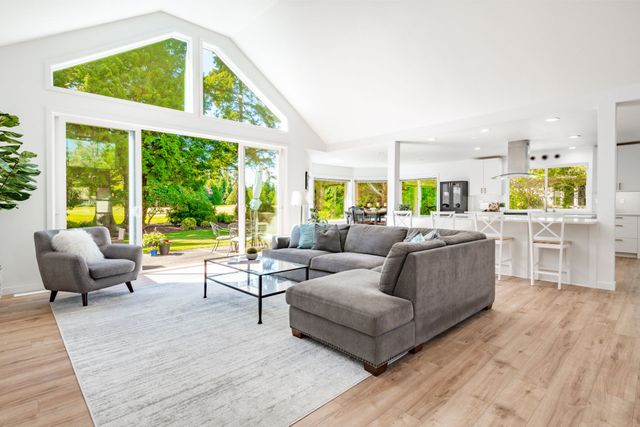
Picture windows are fixed (non-operable) and designed to frame views and flood rooms with natural light. They are often combined with casement or awning windows on either side to add ventilation without sacrificing the view. Sliding windows glide horizontally on tracks and work well in spaces where a window that swings outward would be impractical, like above a patio or walkway. Awning windows are hinged at the top and open outward from the bottom, allowing fresh air even during light rain.
Homeowners in Newberg and Portland building a new home should discuss window placement and style with their builder and window dealer early in the design process. The right combination of styles makes a significant difference in how each room feels and functions. A certified dealer can help match window products to your floor plan and your specific goals for light, airflow, and energy performance.
What Are the Latest Trends in Window Types for 2026?
The latest trends in window types for 2026 focus on larger glass panels, slimmer frames, darker frame colors, and mixing window styles by room function rather than using one style throughout the entire house. According to WeatherBarr, more homeowners are choosing floor-to-ceiling glass, wide picture windows, and large casements that maximize natural light and create a stronger connection between indoor and outdoor spaces.
Black window frames remain a top choice in 2026 for modern and contemporary homes, but interest is growing in charcoal, bronze, and soft matte neutrals that pair well with stone, brick, and natural wood exteriors. According to Renewal by Andersen, homeowners are also showing increased interest in specialty shapes like arched, circular, and geometric windows that add architectural character to the home.
For new construction homes in the Willamette Valley, the trend toward room-specific window selection is especially practical. Using larger picture or sliding windows in living spaces for light and views, casement windows in kitchens and bedrooms for ventilation, and frosted or obscure glass in bathrooms for privacy creates a home that functions better for daily life. Dual-finish windows, where the exterior and interior frame colors are different, are also gaining popularity among builders in the Portland area.
How Do You Pick the Right Frame Material for a New Home?
You pick the right frame material for a new home by balancing your budget, your design preferences, and the climate demands of your location. The four most common frame materials are vinyl, fiberglass, wood, and aluminum, and each has clear strengths and trade-offs.
Vinyl frames are the most popular choice for new construction in Oregon. They offer strong insulation, low maintenance, and the most affordable price point. Vinyl does not need to be painted, stained, or sealed, and it will not rot, rust, or corrode. For most mid-range new builds in the Portland metro area, vinyl is the smart default. Fiberglass frames are stronger and more dimensionally stable than vinyl. They expand and contract at nearly the same rate as the glass, which keeps the seals tighter over time. Fiberglass is a step up in performance and durability, and it works especially well in Oregon’s temperature swings.
Wood frames offer the best natural insulation and the warmest interior look, but they require more maintenance, especially in Oregon’s wet climate. Wood is the best choice for custom and architecturally distinctive homes where interior appearance is a top priority. Most modern wood windows use an exterior cladding of aluminum or fiberglass to protect against moisture and reduce maintenance. Aluminum frames conduct heat quickly and have the highest U-factor among common frame materials. They are more common in commercial buildings and are generally not recommended for energy-conscious residential construction in cold climates.
Homeowners building in Beaverton, Tigard, or Salem who want help selecting the right frame material can compare products from Milgard and Marvin through a certified dealer serving Beaverton and the surrounding communities.
What Energy Ratings Should You Look for in New Construction Windows?
The energy ratings you should look for in new construction windows are U-factor, Solar Heat Gain Coefficient (SHGC), Visible Transmittance (VT), and Air Leakage (AL). These numbers appear on the NFRC label attached to every certified window and are the most reliable way to compare products across brands.
For Oregon’s Northern climate zone, you want a U-factor of 0.30 or below. Under ENERGY STAR Version 7.0, the prescriptive path for the Northern zone requires a U-factor of 0.22 or lower and an SHGC of 0.17 or higher. An equivalent energy performance path allows a slightly higher U-factor if paired with a higher SHGC. According to the U.S. Department of Energy, the lower the U-factor, the more energy-efficient the window.
For SHGC, Oregon homeowners benefit from a moderate value of 0.25 to 0.40, depending on which direction each window faces. South-facing windows should have a higher SHGC to capture free solar heat in winter, while west-facing windows should have a lower SHGC to block afternoon heat in summer. VT should be 0.40 or higher to maximize natural light during Oregon’s cloudy winters. Air leakage should be 0.30 or less.
Homeowners who want a deeper look at how these numbers work and what they mean for Oregon homes can explore the full breakdown of how to choose the best energy-efficient windows for your climate and location.
What’s Cheaper, New Construction Windows or Replacement Windows?
New construction windows are generally cheaper per unit than replacement windows because they are produced in higher volumes for the builder market. However, the total installed cost of new construction windows is often higher because the installation process is more involved. New construction windows require integration with the home’s framing, weather-resistant barrier, and drainage plane, which takes more labor and more materials than a simple insert replacement.
For someone building a new home, this comparison is not really relevant because new construction windows are the required choice. The siding and trim have not been installed yet, so a flanged window with a nail fin is the only option that integrates properly with the building envelope. The real cost decision is between different product lines and frame materials within the new construction category, not between new construction and replacement windows.
Homeowners in Salem and across the Willamette Valley who are building a new home should focus on getting the best window they can afford for their climate, rather than trying to save money by downgrading to a lower-performing product. According to the ENERGY STAR program, replacing old single-pane windows with certified energy-efficient models reduces heating and cooling costs by an average of 13% nationwide. Starting with high-performance windows in a new build delivers those savings from day one. Those savings are even clearer when you see how new windows lower energy bills over time in Oregon’s heating-heavy climate.
What Should You Look Out for When Buying Windows for a New Build?
When buying windows for a new build, you should look out for low-quality “builder grade” products, missing NFRC labels, warranties that are too short or too complicated, and installers who are not certified by the manufacturer. Not all windows sold for new construction are created equal. Some builders default to the cheapest available product to keep construction costs down, and that decision can cost you in comfort, energy bills, and replacement costs within 10 to 15 years.
Always verify that your windows carry an NFRC label with real, tested performance numbers. Check that the U-factor meets or beats the ENERGY STAR Northern zone requirement of 0.30 or below. Ask about the warranty, and make sure it covers the frame, glass, hardware, and labor for a meaningful period. Milgard’s Full Lifetime Warranty, for example, covers the original homeowner for as long as they own and live in the home, including parts and labor. The Tuscany Series even includes glass breakage coverage at no extra cost.
You should also make sure the installer is AAMA Installation Master certified and EPA Lead-Safe Certified. Even in new construction, proper installation technique is critical for long-term performance. A window that is not shimmed, leveled, sealed, and insulated correctly will underperform its rated specifications from the very first day. The window and door services provided by certified dealers in the Portland area include proper flashing, sealing, and integration with the building envelope.
How Do You Coordinate Windows with Your Builder?
You coordinate windows with your builder by selecting your window dealer and products early in the design process, ideally during the architectural planning phase. Windows affect the structural framing, the energy calculations, the exterior design, and the interior layout of your home. The earlier you make your window decisions, the smoother the build process goes.
Your window dealer should be able to work directly with your builder or general contractor. This includes providing product specifications, NFRC ratings, rough opening dimensions, and installation guidelines. A good dealer will also review your floor plans and make recommendations about window placement, style, and glass packages based on each room’s orientation and function.
In the Newberg and Portland area, builders and homeowners benefit from working with a dealer who carries multiple product lines and can offer both mid-range and premium options. Homeowners across Portland who are building custom homes can schedule a design consultation to review their plans and get product recommendations before construction begins.
What Is the Average Lifespan of a Window?
The average lifespan of a window depends on the frame material, the quality of the glass package, the installation quality, and how well the homeowner maintains the seals and hardware. Vinyl windows typically last 20 to 30 years. Fiberglass windows can last 30 to 40 years or more. Wood windows can last 30 years or longer with proper maintenance, but they require more upkeep than vinyl or fiberglass, especially in wet climates like Oregon’s.
For new construction, choosing a higher-quality window with a strong warranty upfront can save you the cost of a full replacement down the road. A window that lasts 35 to 40 years is worth the modest premium over a product that needs to be replaced in 15 to 20 years. According to the 2025 Remodeling Cost vs. Value Report by Remodeling Magazine, vinyl window replacement recoups approximately 68.5% of the project cost at resale, so the windows you choose also affect your home’s long-term value.
Should You Choose Doors at the Same Time as Windows?
Yes, you should choose doors at the same time as windows in a new construction project. Selecting windows and doors together from the same manufacturer or product line gives you consistent frame profiles, matching colors, and coordinated energy performance across your entire home. It also simplifies the ordering, scheduling, and installation process.
Entry doors, patio doors, and sliding glass doors are part of the same building envelope as your windows. They need to meet the same energy standards and integrate with the same weather-resistant barrier. Choosing them together means your builder only needs to coordinate with one dealer and one installation team, which reduces scheduling conflicts and keeps your project on track.
For homeowners building in Tigard, Salem, or anywhere in the Willamette Valley, certified dealers carry both doors and windows from the same brands. This makes it easy to match products, colors, and performance specs across your entire new home.
How Does Low-E Glass Affect New Construction Windows in Oregon?
Low-E glass is one of the most important features in any new construction window for Oregon’s climate. Low-E stands for low emissivity. The coating is a microscopically thin, invisible layer of metallic oxide applied to the glass surface that reflects heat back toward its source while still allowing visible light through. According to the U.S. Department of Energy, windows with Low-E coatings cost about 10% to 15% more than regular windows but reduce energy loss by 30% to 50%. In a new construction home, specifying Low-E glass from the start is far easier and cheaper than retrofitting it later.
There are two main types of Low-E coatings. Soft-coat Low-E is applied in a vacuum chamber and delivers the best insulation and UV protection. Hard-coat Low-E is applied during the glass manufacturing process and is slightly more durable but less efficient. For new homes in Portland, Newberg, and the Willamette Valley, soft-coat Low-E is the standard recommendation because Oregon’s long, cool winters make maximum heat retention the priority.
In a new build, you have the added advantage of choosing different Low-E coatings for different sides of the house. South-facing windows can use a high-solar-gain Low-E that captures free heat from winter sunlight. North-facing and west-facing windows can use a low-solar-gain Low-E that blocks excess heat. This level of customization is much easier during construction than after the home is finished. Homeowners who want a full explanation of how Low-E windows work and which coatings are best for Oregon can review the different options with their window dealer before finalizing their selections.
Why Does Oregon’s Climate Demand Extra Attention to Window Selection?
Oregon’s climate demands extra attention to window selection because the Willamette Valley experiences a unique combination of heavy rainfall, high humidity, cool winters, and warm dry summers that tests every part of a window’s performance. The Portland metro area receives an average of 37 to 43 inches of rain per year, most of it falling between October and May. That sustained exposure to moisture makes proper flashing, sealing, and water management critical for every window in the home.
New construction gives you the best possible starting point for water management because the windows are installed before the siding, allowing full integration with the home’s drainage plane. The nail fin connects directly to the weather-resistant barrier, and proper flashing tape is applied in the correct sequence to direct water away from the frame and out of the wall cavity. This level of integration is much harder to achieve with replacement windows installed after the fact.
Oregon also sits in ENERGY STAR’s Northern climate zone, which carries the strictest U-factor requirement in the country. Under ENERGY STAR Version 7.0, the prescriptive path requires a U-factor of 0.22 or lower. Building a new home is the perfect opportunity to exceed these standards rather than just meet them. Triple-pane windows, fiberglass frames, and advanced Low-E coatings all become easier to specify and install during the construction phase.
Homeowners building in Tigard and across the Portland metro area should work with a window dealer who understands the specific demands of the Pacific Northwest climate and can recommend products that are engineered for this region’s rain, temperature swings, and heating-dominant energy profile.
What Is the Best Time of Year to Install Windows on a New Home?
The best time of year to install windows on a new home in Oregon is during the dry months between June and October. During this period, the mild temperatures and lower rainfall create ideal conditions for caulk curing, sealant adhesion, and clean integration with the weather-resistant barrier. However, in new construction, the window installation schedule is typically dictated by the overall build timeline rather than the time of year.
Your builder will frame the window openings first, then install the windows before the siding and exterior trim go on. If the build schedule pushes window installation into the rainy season, a certified installer will take extra precautions to protect the openings and ensure a proper seal. Temporary weather barriers and staged installation can keep the project moving without compromising the long-term performance of the windows.
For homeowners building across Newberg and the surrounding communities, planning the build timeline with your builder and window dealer together helps avoid delays and keeps the project on track through every season.
Frequently Asked Questions
Do You Need a Permit for Windows in New Construction in Oregon?
Yes, you need a permit for windows in new construction in Oregon because the entire home requires a building permit. According to the Oregon Building Codes Division, all new residential construction requires permits that cover structural, electrical, plumbing, and mechanical work. Windows are part of the building envelope and must meet the Oregon Residential Specialty Code requirements for energy performance, egress, and safety glazing.
What Is a Palladian Style Window?
A Palladian style window is a large, three-part window arrangement with a tall, arched center window flanked by two shorter, rectangular side windows. It is named after the Italian Renaissance architect Andrea Palladio. Palladian windows are a classic design element in Colonial, Georgian, and Mediterranean-style homes. They add dramatic visual impact and flood rooms with natural light. For new construction homes in the Portland area with traditional or formal architecture, a Palladian window can serve as a striking focal point.
What Time of Year Are Windows the Cheapest in Oregon?
Windows are typically cheapest in late fall and winter in Oregon, from November through February. Demand drops during the colder months, and some manufacturers offer end-of-year promotions. For new construction projects, the window order is usually placed months before installation, so timing the purchase to take advantage of seasonal pricing can save money. Work with your builder to align the window order with any available manufacturer incentives.
Are 20-Year-Old Windows Still Good?
No, 20-year-old windows are generally not still good by today’s performance standards. Window technology has improved dramatically over the past two decades, and a window installed 20 years ago likely has a much higher U-factor than a modern ENERGY STAR-certified product. According to the U.S. Department of Energy, about 30% of home heating energy is lost through windows. A 20-year-old window with worn seals, leaked argon gas, and outdated glass coatings is losing far more energy than a new high-performance window. Homeowners who recognize the signs their windows need to be replaced should act before the energy waste adds up further.
What Is the ROI on Replacement Windows?
The ROI on replacement windows is approximately 68.5% for vinyl windows, according to the 2025 Remodeling Cost vs. Value Report by Remodeling Magazine. That means for every dollar spent on the project, about 68 cents comes back in increased home resale value. Beyond the resale number, homeowners also gain years of lower energy bills, improved comfort, and reduced maintenance. For new construction, the “ROI” is built in from the start because you are choosing the product that will be part of the home for its entire first chapter.
Can I Replace Windows Myself to Save Money?
No, you should not replace windows yourself to save money, especially in new construction. Window installation in a new build requires precise integration with the home’s framing, weather barrier, and drainage plane. Incorrect installation is the number one cause of window product failure, according to the Fenestration and Glazing Industry Alliance. DIY installation also voids most manufacturer warranties and can create air leaks, water intrusion, and code violations that are expensive to fix. Certified professional installation is the only safe and smart option for new construction.
Final Thoughts
Choosing windows for a new construction home is one of the most important decisions you will make during the building process. The windows you select affect your home’s energy performance, comfort, natural light, ventilation, style, and long-term value. According to the U.S. Department of Energy, 25% to 30% of all heating and cooling energy in American homes is lost through windows, so getting this decision right has a real, measurable impact on your monthly bills and your quality of life. For Oregon homeowners building in Newberg, Portland, Beaverton, Tigard, and Salem, the Northern climate zone’s strict energy requirements make it even more critical to choose the right products and the right installer.
EnergyGuard Windows & Doors has been helping homeowners and builders across the Willamette Valley select and install high-performance windows and doors for over 40 years. The company is a certified Milgard and Marvin dealer with AAMA Installation Master certification, EPA Lead-Safe Certification, and a BBB A+ rating.
Call (503) 554-5500 today to schedule a free design consultation and get expert guidance on the best new construction windows for your Oregon home. Whether you are in the early planning stages or ready to place your order, the EnergyGuard team can coordinate with your builder to make sure your windows are right from the start.