
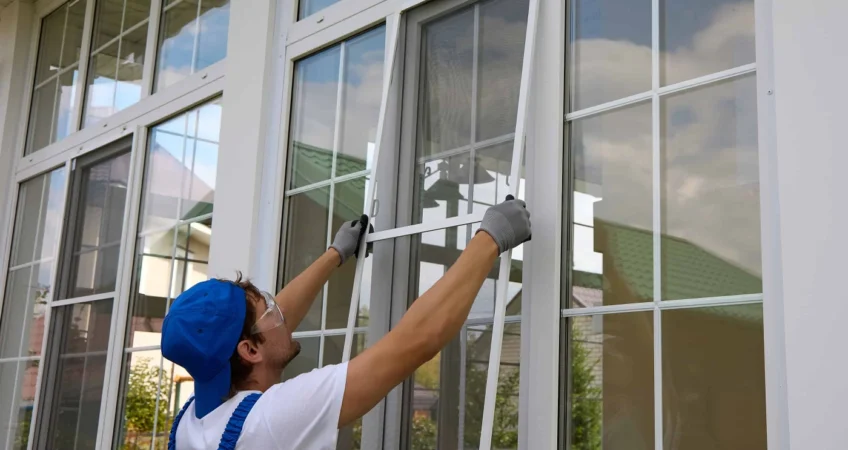
Window replacement increases your home value. According to the 2024 Remodeling Cost vs. Value Report by Remodeling Magazine, vinyl replacement windows recoup approximately 67% of the project cost at resale, and other industry analyses put the full range at 65% to 80% depending on material choice and local market conditions. Beyond the direct resale number, new windows improve curb appeal, eliminate inspection red flags, reduce energy bills for both you and future buyers, and signal to the market that the home has been well maintained. This guide covers exactly how window replacement increases home value in the Newberg, Portland, and Willamette Valley market, what the real return on investment looks like, and what Oregon homeowners should know before making a decision.
How Much Value Does Replacing Windows Add to a House?
Replacing windows adds an average of $13,766 in resale value to a home when using vinyl windows, according to the 2023 Cost vs. Value Report compiled by Remodeling Magazine and cited by Credit Karma. Wood windows add an average of $14,912 in resale value on a higher initial investment, producing a slightly lower percentage return. On a percentage basis, homeowners who invest in vinyl replacement windows can expect to recoup 65% to 70% of the total project cost when they sell, based on consistent data from Remodeling Magazine’s annual Cost vs. Value reports across multiple years.
Some analyses put the range higher. According to Angi, the ROI on window replacement can reach 70% to 85% depending on the age and condition of the windows being replaced, the quality of the new product, and local market demand. The National Association of Realtors’ Remodeling Impact Report awarded wood and vinyl window replacement a Joy Score of 9.6 out of 10 among homeowners, second only to painting exterior siding for homeowner satisfaction among all exterior remodeling projects.
The key context behind these numbers is that window replacement consistently outperforms kitchen remodels, bathroom additions, and many other popular renovation projects in percentage ROI. According to the 2025 Remodeling Cost vs. Value Report, 8 of the top 10 highest-ROI home improvement projects were exterior replacements, confirming that curb appeal investments outperform interior renovations as a category.
For homeowners in Newberg, Portland, Tigard, and Beaverton, the local energy cost environment adds a layer of value on top of the base resale figures. Portland General Electric raised residential rates 5.5% in 2025 alone, according to OPB. Energy-efficient replacement windows that reduce heating costs become more valuable to buyers every year as those rates continue to rise. A home that demonstrates documented energy efficiency is an increasingly attractive asset in the Oregon real estate market.
Do Replacement Windows Add Value to a House?
Yes, replacement windows add value to a house in multiple ways. The value added comes from five distinct sources: direct resale recoupment, improved curb appeal, elimination of inspection contingencies, ongoing energy savings, and a signal of quality maintenance that affects buyer confidence and offer strength.
Home appraisers look directly at your windows when valuing your property. According to Angi, appraisers factor in the type, quality, condition, frame material, and energy performance of the windows when determining market value. Older, drafty, or foggy windows are recorded as deferred maintenance items that reduce appraised value. New windows reverse this: they are recorded as an upgrade that adds to the current market value of the home.
Buyers also respond powerfully to windows during showings. According to Glass Doctor, more than 90% of homebuyers consider energy-efficient features including windows to be desirable when purchasing a home, according to the National Association of Home Builders. A buyer who sees clean, modern, operating windows on a listing forms an immediate positive impression of the home’s overall maintenance. A buyer who sees fogged glass, cracked frames, or stuck sashes begins mentally tallying repair costs before they even get to the kitchen.
Homeowners across Portland and the Willamette Valley who want to see how window replacement would fit their home’s specific situation can get a free, no-obligation assessment through the EnergyGuard replacement windows page.
Is It Worth Replacing 25-Year-Old Windows?
Yes, it is worth replacing 25-year-old windows. Windows that are 25 years old were manufactured before the modern generation of Low-E glass technology, multi-chamber vinyl frames, and precision warm-edge spacer systems that define today’s ENERGY STAR certified products. Even if they still open and close, they are almost certainly underperforming compared to what a modern window delivers.
According to the Window and Door Manufacturers Association, vinyl windows begin showing measurable energy performance decline after 10 to 12 years as seals degrade. A 25-year-old vinyl window has been quietly underperforming for over a decade. The original argon gas fill has likely dissipated. The seal between the panes may have failed. The weatherstripping is worn. The frame may have started to warp or shrink at the corners. These are not hypothetical problems. They are the predictable result of normal aging in any double-pane window from that era.
According to the National Association of Home Builders, seal failures typically occur 10 to 20 years after installation in standard-quality windows. In Oregon’s wet climate, where homes in Newberg and Portland face persistent moisture exposure, seal failure tends to happen at the earlier end of that range. A 25-year-old window in the Willamette Valley may have been failing for five years or more before the homeowner notices the fogging.
The financial case is also strong. According to ENERGY STAR, certified replacement windows can reduce heating and cooling costs by an average of 12% nationwide. The U.S. Department of Energy estimates that homeowners replacing older single-pane windows save between $126 and $465 per year. The 2025 Cost vs. Value Report puts vinyl window replacement ROI at 67% to 76% at resale. When you combine the energy savings you accumulate before selling with the resale value you recover at the closing table, replacing 25-year-old windows delivers a total return that is difficult to match with most other home improvement investments.
What Adds the Biggest Value to a House?
The upgrades that add the biggest value to a house are exterior replacements that improve curb appeal and energy efficiency simultaneously. According to the 2024 Cost vs. Value Report by Remodeling Magazine, garage door replacement leads all projects with a 194% ROI, followed by steel entry door replacement at 188%. Fiber-cement siding produces an 88% return. Vinyl window replacement produces approximately 67% to 70% in national averages, which still ranks it among the strongest-returning home improvement categories ahead of most interior renovations.
The consistent pattern in the data is clear: exterior projects that buyers can see from the street and that improve the home’s energy and security performance outperform interior cosmetic projects in ROI. This makes intuitive sense. A buyer walking up to a home forms a first impression before they ever step inside. Windows are one of the most visible exterior elements of any home. Clean, modern, matched windows tell the buyer the home has been cared for. Mismatched, aging, or foggy windows tell the buyer the opposite.
Interior renovations like kitchen and bathroom remodels are often cited as value-adds, but the data does not consistently support them at the same level. According to West Shore Home’s analysis of 2024 Cost vs. Value data, minor kitchen updates yield 96% ROI, but major kitchen remodels drop to just 38%. Windows are less glamorous than a kitchen overhaul, but they deliver more reliable value recovery at sale according to the independent data.
For homeowners in the Portland area who are planning a renovation strategy before selling, combining window replacement with a replacement door project is one of the most efficient approaches. Bundling both projects with the same installer saves time and often reduces the total project cost. Homeowners can explore combined window and door options through EnergyGuard’s windows and doors replacement services.
What Decreases Property Value the Most?
The home conditions that decrease property value the most are visible deferred maintenance, energy inefficiency, and safety or moisture problems that show up in home inspections. Old, failing windows contribute directly to all three of these categories and are one of the most commonly flagged issues in pre-sale home inspections in the Pacific Northwest.
Fogged or condensation-filled windows are an immediate red flag for buyers. According to Redfin, buyers who see damaged, drafty, or inoperable windows during a showing mentally add those repair costs to the purchase price and either lower their offer or ask for seller credits to cover the work. In a balanced or buyer-favoring market, this negotiation leverage can cost the seller far more than the window replacement would have.
Water damage around window frames is an even more serious value destroyer. Oregon’s wet winters are relentless on failing windows. According to a report from TNT Construction covering Oregon home improvement, dry rot that starts at a window seal can move into wall framing and become a far more expensive repair. What a homeowner thinks is a minor cosmetic issue at the window edge may be concealing significant structural moisture damage that only becomes visible once a buyer’s inspector starts probing the surrounding framing.
Security is another value factor tied directly to windows. According to the FBI, nearly 23% of home break-ins occur through first-floor windows, according to data cited by Taylor’s Windows. Single-pane, cracked, or poorly locking windows are a documented security liability, and buyers who prioritize safety factor this into their offer decisions.
Is It Cheaper to Replace All Windows at Once?
Yes, it is cheaper to replace all windows at once than to replace them one at a time over several years. Replacing all windows in a single project eliminates multiple mobilization costs, reduces total labor hours because the crew works efficiently from room to room in sequence, and often qualifies for volume pricing from the manufacturer or installer.
According to research from Evergreen Door and Window, you can replace windows one at a time, but replacing all at once makes financial sense for most homeowners. A single project also ensures all windows match in style, color, and performance level, which is a visible quality signal to buyers at the time of sale. Mismatched windows from different eras and manufacturers can actually work against your curb appeal even if all the individual units are technically functional.
The practical argument for doing all windows at once is strongest for homeowners in Newberg and Portland who have a mix of older windows throughout the home. Replacing only the most visibly damaged windows leaves the others continuing to lose energy, and the home still presents with a mix of old and new units at sale. Replacing all at once means one project, one disruption, one invoice, and a cohesive finished result that buyers respond to positively.
Homeowners who are not sure whether to do all windows or prioritize certain rooms can get guidance from the homeowner resources page or discuss their specific home with an EnergyGuard consultant during a free in-home visit.
What Not to Fix Before Selling Your House
The home issues that are not worth fixing before selling are cosmetic problems that do not affect functionality, buyer safety, or energy performance. These include minor wall scuffs that can be touched up with paint, dated but functional light fixtures, carpet in bedrooms that is worn but clean, and landscaping that is overgrown but not obstructing the home’s structure.
Windows fall into a different category. Unlike purely cosmetic issues, windows that are failing affect the home’s energy bill, the home’s moisture resistance, the home’s security, and the home’s inspection report. Each of these is a functional problem that buyers will price into their offers or use as negotiating leverage. According to Zillow, a home with outdated windows should still sell, but expect renegotiation from buyers to cover the cost of replacement.
The practical distinction is this: do not spend money before a sale on things that buyers will replace anyway with their own taste, like interior paint colors or carpet styles. Do spend money on things that affect the home’s appraised value, inspection results, and buyer confidence. Old, failing, or single-pane windows fall firmly in the second category.
According to the National Association of Realtors, energy-efficient windows are considered desirable by more than 90% of homebuyers. A seller who replaces failing windows is not just removing a problem. They are adding a documented upgrade that appeals to the vast majority of buyers and supports a stronger asking price.
| Window Replacement Type | Avg. Project Cost (national) | Avg. Resale Value Added | ROI at Resale |
|---|---|---|---|
| Vinyl replacement windows | $21,264 (10-window project) | $14,270 | ~67% |
| Wood replacement windows | $25,799 (same scope) | $16,222 | ~63% |
| Fiberglass replacement windows | Higher than vinyl | Strong in premium markets | 65–80% (range) |
| Combined window + energy savings (30 yr) | Varies | $2,680–$7,320 in energy savings + resale | Total return often exceeds 100% |
Sources: Remodeling Magazine 2024 Cost vs. Value Report, Credit Karma/Remodeling Magazine 2023 data, Journal of Light Construction, U.S. Department of Energy energy savings estimates, ENERGY STAR
Can I Get a Grant to Upgrade My Windows in Oregon?
Oregon homeowners cannot receive a direct grant to replace windows in the traditional sense, but there are several financial assistance programs that significantly reduce the out-of-pocket cost of a window upgrade. The most widely available is the Energy Trust of Oregon cash incentive program, which provides up to $1.50 per square foot for qualifying ENERGY STAR certified windows with a U-value of 0.24 or better, and up to $1.00 per square foot for windows at U-value 0.27 or better. For a typical 10 to 15-window project, this can reduce total project costs by $500 to $2,000 depending on the size and performance level of the windows installed.
In addition, the federal Inflation Reduction Act created a tax credit covering 30% of the cost of qualifying ENERGY STAR windows, up to a $600 annual credit for windows and skylights. This is not a grant that reduces the purchase price, but it directly reduces your tax liability in the year of installation.
Oregon was also awarded over $113 million from the U.S. Department of Energy in 2024 for new Home Energy Rebate programs, according to the Oregon Department of Energy. These programs, including the Home Efficiency Rebates and Home Electrification and Appliance Rebates programs, provide performance-based rebates for energy efficiency improvements that demonstrate a minimum 20% reduction in home energy use. Whole-home window replacements that achieve this threshold may qualify for additional rebate funding beyond the standard Energy Trust incentives.
Income-qualifying households may be eligible for even greater assistance. The HOMES program provides a minimum of $2,000 for qualifying income households whose energy upgrades demonstrate 20% or greater savings. Homeowners in the Portland metro, Newberg, and Salem areas who want to understand which programs they qualify for should discuss eligibility with a certified installer before ordering their windows, since program requirements and available funding can change from year to year.
Homeowners in Salem and surrounding communities can get guidance on available programs and qualifying window products from the team at replacement windows in Salem.
How Do Windows Affect a Home Appraisal?
Windows affect a home appraisal by contributing to or detracting from the home’s overall condition rating, which is one of the primary factors appraisers use to determine market value. According to Angi, appraisers evaluate the type, quality, condition, frame material, insulation performance, and functionality of windows during every appraisal. Failing windows are recorded as deferred maintenance. New energy-efficient windows are recorded as an upgrade.
The condition rating in an appraisal directly influences the comparable sales analysis that appraisers use to set value. A home in excellent condition commands a premium over a comparable home in average or below-average condition. Windows are one of the visible, inspectable elements that move a home between condition tiers. In the Newberg and Portland area market, where many homes were built in the 1960s through 1990s and still have their original or second-generation windows, a full window replacement can meaningfully shift a home from average to above-average condition in the appraisal report.
Moisture damage discovered during an appraisal or inspection that is traced to failed window seals or deteriorated frames can produce a more dramatic negative effect on appraised value because it raises structural and mold concerns. Oregon’s climate makes this especially relevant. Appraisers familiar with the Portland and Willamette Valley market know to look carefully at the window frames of older homes for signs of water intrusion, and sellers who have not addressed this are at real risk of an appraisal coming in below the asking price.
Builders and contractors preparing homes for the Newberg and Portland resale market can discuss volume window replacement options and project scheduling through the EnergyGuard contractor and builder services.
How Much Does a New Window Add to House Value Compared to Its Cost?
A new window adds value to a house in a ratio of approximately 65 to 70 cents of resale value for every dollar invested, based on the 2024 Cost vs. Value Report data. This means a $1,000 per window investment in vinyl replacement windows returns roughly $650 to $700 in direct resale value at the time of sale, with the remaining $300 to $350 recovered through years of energy savings and reduced maintenance costs before the sale occurs.
The total-return picture is stronger than the raw resale ratio suggests. The 2025 This Old House survey of homeowners who recently replaced windows found an average energy savings of $42.50 per month, or $510 per year. Over a 10-year period before selling, that adds $5,100 in energy savings on top of the resale value added. According to the Journal of Light Construction, the combined return when energy savings are included pushes total ROI well above 100% for many homeowners who replace windows and then sell within the window’s lifespan.
The value equation is also different depending on what windows are being replaced. Homeowners replacing original single-pane windows or aluminum-frame windows from the 1970s and 1980s see the largest improvement in both energy performance and appraised condition because the gap between old and new is so large. Homeowners replacing functional 10-year-old double-pane windows see a smaller differential. The biggest bang for the window replacement dollar always comes from fixing the most failing windows first.
Homeowners in Portland and Beaverton who want to see what their specific window project would deliver can start with a free in-home consultation and review product options for their budget and home on the Portland replacement windows page.
Frequently Asked Questions About Window Replacement and Home Value in Oregon
Do Replacement Windows Add Value in the Portland and Willamette Valley Real Estate Market?
Yes, replacement windows add value in the Portland and Willamette Valley real estate market. Oregon buyers are particularly energy-conscious given the state’s rising electricity rates, and homes with documented energy-efficient upgrades consistently attract stronger buyer interest. According to ENERGY STAR, certified windows reduce heating and cooling costs by an average of 12% nationwide. In Oregon, where homes heat for six months or more and Portland General Electric raised rates 5.5% in 2025 alone, buyers who understand that a home has modern efficient windows factor those ongoing savings into what they are willing to pay. Window replacement also eliminates the inspection red flags that are common in Oregon’s older housing stock, where moisture damage around deteriorating window frames is a frequent issue.
Is It Worth Replacing Windows Before Selling a Home in Newberg?
It is worth replacing windows before selling a home in Newberg if the windows are old, failing, drafty, fogged, or visibly damaged. These conditions are flagged in home inspections and give buyers negotiating leverage that typically costs more at the closing table than the replacement would have. If the windows are functional, relatively recent, and show no visible signs of failure, a full replacement may not be necessary before listing. Focus on the windows that are most visible from the street and any that have known problems. Replacing those targeted windows delivers the strongest return for the investment when selling is the primary goal.
What Is the 25% Glazing Rule?
The 25% glazing rule is a building code principle used in energy and planning regulations in some jurisdictions that limits the total glass area in a building to 25% of the floor area in order to control heat loss. In Oregon, building energy codes set performance requirements for windows through U-factor and SHGC standards rather than through a strict percentage glazing limit in most residential applications. Oregon’s Northern climate zone requires windows to meet a U-factor of 0.30 or below for ENERGY STAR certification. For most homeowners in Newberg and Portland replacing existing windows in existing openings, the 25% rule is not a direct concern, but it is something builders and architects specify carefully in new construction projects where large glass areas may trigger additional compliance requirements.
Do Appraisers Look at Windows When Valuing a Home?
Yes, appraisers look at windows when valuing a home. According to Angi, appraisers evaluate window type, condition, frame material, insulation performance, functionality, and whether screens are in place as part of their property assessment. Failing windows, including units with fogged glass, damaged frames, or inoperable hardware, are recorded as deferred maintenance items that reduce the home’s condition rating. New energy-efficient windows are recorded as an upgrade that supports a higher appraised value. In Oregon’s market, where moisture damage from failed window seals is a common inspection issue, the condition of windows is a particularly important factor in how appraisers rate the overall condition of older homes.
How Much Can Window Replacement Increase a Home’s Sale Price in Oregon?
Window replacement can increase a home’s sale price in Oregon by the amount of value that is currently being discounted due to the failing windows, plus any premium buyers assign to the energy efficiency upgrade. In practical terms, replacing old, failing windows on a home in the Portland metro typically eliminates buyer credit requests that range from a few hundred to several thousand dollars per failing unit. It also supports a cleaner appraisal and allows the seller to position the home as move-in ready, which commands stronger offers. The direct resale value added nationally averages $13,766 to $14,912 for a full-home vinyl or wood window replacement, according to Remodeling Magazine and Credit Karma data. Oregon’s energy cost environment and buyer preference for efficient homes can push that number higher in this specific market.
Should You Replace Windows If You Plan to Stay in Your Home Long Term?
Yes, you should replace windows if you plan to stay in your home long term, especially if they are more than 15 to 20 years old. The financial case is even stronger when you are staying because you capture the full benefit of the energy savings over the entire life of the new window. According to the 2025 This Old House survey, the average homeowner who replaced windows saved $510 per year on energy bills. Over a 30-year fiberglass window lifespan, that totals roughly $15,300 in cumulative energy savings alone. Add the comfort improvements, the noise reduction, the elimination of drafts and condensation, and the resale value when you eventually sell, and long-term owners tend to see an overall return that comfortably exceeds 100% of the original investment.
What Types of Replacement Windows Have the Best ROI in Oregon?
Vinyl replacement windows have the best cost-to-ROI ratio for most Oregon homeowners based on consistent data from Remodeling Magazine’s Cost vs. Value Report. Vinyl does not rot, does not require repainting, and holds up well in Oregon’s wet climate for 20 to 30 years. Fiberglass windows have a higher upfront cost but offer a 30 to 50-year lifespan, superior dimensional stability in Oregon’s temperature swings, and the best energy performance. For homeowners who plan to stay in their homes for 20 or more years, fiberglass windows can produce a stronger total return when the longer lifespan and higher energy savings are factored in. The right choice depends on your budget, how long you plan to stay, and which products meet Oregon’s energy code requirements and Energy Trust of Oregon incentive thresholds.
Final Thoughts
Window replacement is one of the most reliable home improvement investments an Oregon homeowner can make. The data from independent cost-and-value studies consistently shows a 65% to 70% direct resale return on the project cost, with total returns climbing well above that when energy savings over the window’s lifespan are included. Beyond the numbers, new windows eliminate inspection red flags, improve buyer confidence, signal quality maintenance, and in Oregon’s energy cost environment, represent a genuine financial advantage that buyers recognize and value. Whether you are planning to sell in the next few years or are simply tired of paying more than you should to heat your home each winter, window replacement in Newberg, Portland, and across the Willamette Valley is a decision that pays for itself.
EnergyGuard Windows & Doors has helped homeowners across Newberg, Portland, Tigard, Beaverton, and the Willamette Valley protect and increase their home value for over 40 years. The team carries Milgard and Marvin product lines and offers free in-home consultations with no obligation and no pressure.
Call (503) 554-5500 or visit EnergyGuard Windows & Doors to schedule your free consultation today. You can also explore the full product lineup on the replacement windows page and find out exactly what a window upgrade would do for yo