
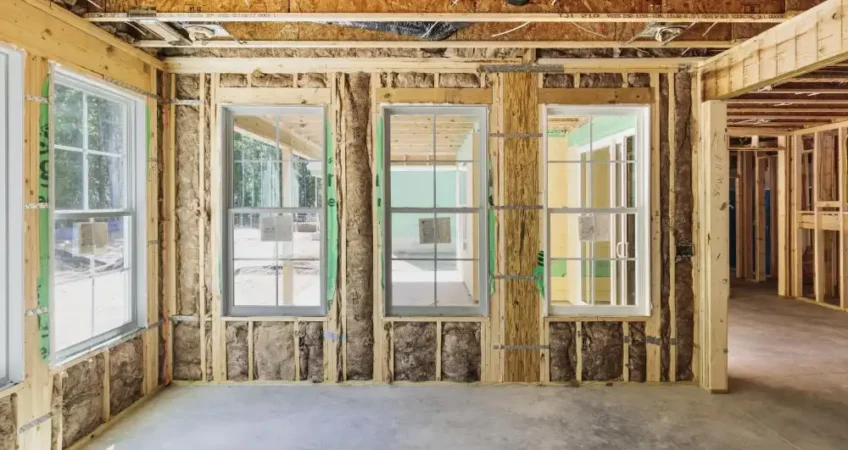
The difference between replacement windows and new construction windows is the nail fin. New construction windows have a nailing flange around the perimeter of the frame that attaches directly to the wall studs before the siding goes on. Replacement windows do not have this flange and are designed to fit inside an existing window opening without disturbing the siding or exterior trim. According to the U.S. Department of Energy, heat gain and heat loss through windows are responsible for 25% to 30% of residential heating and cooling energy use, so choosing the right type of window for your project directly affects your home’s comfort and energy bills. For homeowners in Newberg, Portland, and across the Willamette Valley, knowing which type fits your situation helps you avoid overspending, prevent installation problems, and get the best possible performance from your new windows. This guide explains both types in plain terms, compares them side by side, and tells you exactly when to use each one.
What Is the Difference Between Replacement Windows and New Construction Windows?
The difference between replacement windows and new construction windows comes down to how they are installed. New construction windows include a nail fin (also called a nailing flange or installation flange) that runs around the outside edge of the frame. According to Andersen Windows, this flange is the single biggest difference between the two types. The nail fin attaches the window directly to the exposed wall studs, and the siding, flashing, and trim are installed over and around it afterward. This creates a weathertight seal that is integrated into the home’s building envelope from the ground up.
Replacement windows are built without a nail fin. They are designed to slide into an existing window opening, either fitting inside the old frame (insert replacement) or fitting into the rough opening after the old window and frame are removed (full-frame replacement). The siding and exterior trim stay in place during the installation, which makes the process faster, less invasive, and less expensive.
The actual window unit, meaning the glass, the frame material, the Low-E coatings, the gas fills, and the hardware, can be identical between the two types. According to Pella, both products offer similar energy efficiency when properly installed. The difference is not in the window itself but in the installation method and the presence or absence of the nail fin.
When Should You Use New Construction Windows?
You should use new construction windows when you are building a new home, adding an addition to an existing home, doing a major remodel that exposes the wall studs, or changing the size or location of a window opening. In all of these situations, the wall framing is exposed and there is no existing siding or trim to work around. The nail fin on a new construction window attaches directly to the studs and integrates with the home’s weather-resistant barrier, creating the strongest possible seal against air and water infiltration.
New construction windows give you the most flexibility in terms of window size, style, and placement because you are starting with a framed opening rather than fitting into an existing one. If you are building a custom home in the Newberg or Portland area, new construction windows are the standard choice. They give your builder maximum control over waterproofing, insulation, and structural integration. EnergyGuard Windows & Doors offers dedicated new construction services designed to coordinate with builders from the design phase through final installation.
When Should You Use Replacement Windows?
You should use replacement windows when you are upgrading or swapping out existing windows in a home that is already built, the siding and trim are staying in place, and the wall framing is not being exposed. This covers the vast majority of residential window projects. If your windows are old, drafty, foggy, hard to open, or just not performing well, replacement windows are the right solution.
There are two main types of replacement windows. Insert replacement windows fit inside the existing window frame. Only the old sash (the glass and the framing around it) is removed, and the new window slides into the old frame. This works well when the existing frame is still in good condition, meaning no rot, no warping, and still square. Full-frame replacement windows replace both the old sash and the old frame. The entire window assembly is removed down to the rough opening, and the new window is installed with a fresh frame. This method is best when the existing frame is damaged or out of square.
For homeowners across Portland, Beaverton, and Tigard who need to replace aging or failing windows, replacement windows are the faster, less invasive, and more affordable option. A certified dealer can assess the condition of your existing frames and recommend the right approach. Exploring replacement window options with a professional helps you pick the right product and installation method for your specific home.
Can You Use a New Construction Window for a Replacement Window?
Yes, you can use a new construction window for a replacement project, but it requires more work. Because new construction windows have a nail fin, the exterior siding and trim must be removed to expose the wall studs so the fin can be attached. This adds labor, time, and cost compared to using a standard replacement window that fits into the existing opening without disturbing the exterior.
In some cases, the nail fin can be removed from a new construction window to convert it into a replacement-style unit. According to Andersen Windows, some window models are designed with detachable fins for exactly this purpose. However, cutting the fin off a window that was not designed for removal can damage the frame or compromise the seal. A certified installer will know which products work for this approach and which do not.
The main reason homeowners consider using new construction windows in a replacement project is when they want to change the size of the opening or when the existing frame and surrounding structure are too damaged to support a standard replacement. In those cases, the wall needs to be reframed anyway, and a new construction window is the right choice. For most standard window-in, window-out replacements in the Willamette Valley, a replacement window is the simpler, faster, and more cost-effective option.
How Do Replacement and New Construction Windows Compare on Cost?
Replacement windows are significantly cheaper to install than new construction windows because the installation is less labor-intensive. According to This Old House, replacement windows cost 50% to 100% less to install than new construction windows. According to Angi, new construction window installation ranges from $150 to $800 per window for labor, while replacement window installation ranges from $100 to $300 per window.
The window unit itself is often priced similarly between the two types because the glass, frame material, and hardware are the same. The cost difference comes entirely from the installation process. New construction windows require removing siding and trim, attaching the nail fin to the studs, applying new flashing and weather barrier, and then reinstalling the exterior finish. Replacement windows skip all of that and go directly into the existing opening.
For homeowners in Newberg, Portland, and Salem who are replacing windows in an existing home, the cost savings of replacement windows are significant, especially on a whole-house project with 10 or more windows. That money can go toward upgrading to a better product line, adding Low-E coatings, or choosing fiberglass frames instead of vinyl. Knowing how new windows lower energy bills helps you see the full return on your investment beyond the upfront cost.
Which Type Is More Energy Efficient?
New construction windows and replacement windows can be equally energy efficient in terms of the window product itself. The U-factor, SHGC, and VT ratings depend on the glass package, the frame material, and the Low-E coatings, not on whether the window has a nail fin. According to the U.S. Department of Energy, windows with Low-E coatings reduce energy loss by 30% to 50% compared to standard glass, and both types of windows can include this technology.
The difference in energy performance comes from the installation method, not the product. New construction windows have an edge in long-term airtightness because the nail fin creates a direct connection between the window frame and the wall’s weather-resistant barrier. This integration is harder to replicate with a replacement window, especially an insert replacement that relies on the condition of the existing frame.
That said, a full-frame replacement window installed by a certified professional with proper shimming, insulation, and sealant can achieve excellent energy performance. The key is the quality of the installation, not just the type of window. According to the Fenestration and Glazing Industry Alliance, improper installation is the number one cause of window product failure across all brands. Whether you choose new construction or replacement, hiring a certified installer is the single most important step. Homeowners who want to learn how these ratings work can review the full breakdown of how to choose the best energy-efficient windows for Oregon’s Northern climate zone.
How to Tell If a Window Is New Construction
You can tell if a window is new construction by looking for the nail fin. New construction windows have a thin strip of vinyl or metal (the nailing flange) that extends outward from the frame around the entire perimeter. This flange has pre-drilled holes for nails or screws that attach the window to the wall studs. If you see this flange on a window before it is installed, it is a new construction window.
Once a window is installed and the siding and trim are in place, the nail fin is hidden behind the exterior finish and is no longer visible. At that point, you cannot tell from the outside whether the window is a new construction or replacement type. On the inside, both types look the same once the installation is complete and the interior trim is in place.
What Type of Windows Last the Longest?
Fiberglass windows last the longest among common frame materials. According to multiple industry sources, fiberglass windows can last 30 to 50 years or more because the material is extremely stable, resists expansion and contraction, does not warp or rot, and holds up well against UV exposure and moisture. Vinyl windows typically last 20 to 40 years. Wood windows can last 15 to 30 years with proper maintenance, but they require regular painting, staining, and sealing to prevent moisture damage. Aluminum windows last 15 to 30 years but conduct heat poorly, which makes them a less common choice for energy-conscious residential projects.
For homeowners in Oregon’s wet climate, fiberglass is the most durable long-term choice because it handles rain, humidity, and temperature swings better than any other material. Vinyl is the most popular choice overall because it offers strong durability, low maintenance, and a more affordable price point. Both Milgard and Marvin offer fiberglass and vinyl options that meet ENERGY STAR Northern zone requirements. Homeowners interested in how Low-E glass technology extends window life and performance in cold climates will find both brands use soft-coat Low-E across their energy-efficient lines.
Should 25-Year-Old Windows Be Replaced?
Yes, 25-year-old windows should be replaced in most cases. A window that is 25 years old has likely exceeded the useful lifespan of its seals, gas fills, and weatherstripping, even if the frame still looks intact. According to the National Association of Home Builders, properly installed quality windows should provide reliable performance for 20 to 30 years minimum. At 25 years, most windows are at or past the point where they are losing energy, allowing drafts, and no longer performing at their original rated efficiency.
Window technology has advanced dramatically over the past 25 years. A window installed in 2000 or 2001 was built to standards that are far below what today’s ENERGY STAR products deliver. Modern windows with Low-E coatings, argon gas fills, and better frame materials offer significantly better insulation, UV protection, and long-term durability. According to the ENERGY STAR program, replacing old windows with certified energy-efficient models reduces heating and cooling costs by an average of 13% nationwide.
Homeowners in Newberg, Portland, and across the Willamette Valley who have 25-year-old windows should have them inspected by a certified dealer. Common signs that 25-year-old windows are past their useful life include foggy glass, drafts, difficulty operating, and visible frame damage. Replacing them with modern, ENERGY STAR-certified products will improve comfort, reduce energy bills, and add value to the home.
Should I Replace 30-Year-Old Vinyl Windows?
Yes, you should replace 30-year-old vinyl windows. At 30 years, vinyl windows have almost certainly exceeded their optimal performance window. The seals have likely failed, the argon gas between the panes has leaked out, and the vinyl itself may have become brittle from decades of UV exposure and thermal cycling. According to industry data, vinyl windows typically last 20 to 40 years, with most showing significant performance decline after 25 years. Replacing them now will deliver immediate improvements in energy efficiency, comfort, and home value.
What Is the Most Affordable Way to Replace Windows?
The most affordable way to replace windows is to use insert replacement windows installed by a certified professional. Insert replacements fit inside your existing window frame, which eliminates the need to remove siding, trim, or framing. This saves on labor costs and materials while still giving you a brand-new window with modern glass technology, Low-E coatings, and a proper seal.
This approach works best when the existing frame is in good condition, meaning no rot, no warping, and still square. If the frame is damaged, a full-frame replacement or even a new construction approach may be necessary, which adds cost but protects the long-term performance of the installation.
Homeowners across Tigard and the Portland metro area who want to keep costs down should focus on getting the best window they can afford within the insert replacement category, rather than downgrading to a cheaper product. A mid-range vinyl window like the Milgard Tuscany with Low-E glass and a Full Lifetime Warranty delivers far more value over 20 to 30 years than a bottom-tier product that fails in half the time.
The comparison table below summarizes the key differences between replacement windows and new construction windows:
| Feature | Replacement Windows | New Construction Windows |
|---|---|---|
| Nail Fin / Flange | No | Yes |
| Best For | Existing homes, window-in/window-out swaps | New builds, additions, major remodels |
| Installation Labor Cost | $100 to $300 per window | $150 to $800 per window |
| Siding Removal Required | No | Yes (or siding not yet installed) |
| Can Change Window Size | No (same opening size) | Yes (new framing allows any size) |
| Energy Efficiency (Product) | Same as new construction | Same as replacement |
| Weather Seal Integration | Depends on frame condition and installer skill | Integrated with building envelope via nail fin |
| Typical Installation Time | 30 to 60 minutes per window | Longer (includes framing and exterior work) |
| Permit Required in Oregon | No (same size, no structural change) | Yes (part of overall building permit) |
Sources: This Old House, Angi, Andersen Windows, Pella, U.S. Department of Energy, Oregon Building Codes Division
Should You Replace Doors at the Same Time as Windows?
Yes, replacing doors at the same time as windows is a smart move for both replacement and new construction projects. Entry doors, patio doors, and sliding glass doors are part of the same building envelope as your windows. Choosing them together from the same manufacturer gives you matching frame profiles, consistent colors, and coordinated energy performance. It also simplifies the scheduling, ordering, and installation process because your installer only needs to make one trip.
According to the 2025 Remodeling Cost vs. Value Report by Remodeling Magazine, exterior improvements like window and door replacements consistently rank among the highest-ROI home improvement projects. Vinyl window replacement recoups approximately 68.5% of the project cost at resale, and a home with all-new, matching windows and doors shows better to buyers than a patchwork of old and new. Certified dealers in the Portland area carry both doors and windows from brands like Milgard and Marvin, making it easy to coordinate your entire project.
How Does Oregon’s Climate Affect the Choice Between Replacement and New Construction?
Oregon’s wet climate makes proper flashing and water management critical for both replacement and new construction windows. The Willamette Valley receives 37 to 43 inches of rain per year, most of it falling between October and May. New construction windows have a built-in advantage for water management because the nail fin integrates directly with the home’s weather-resistant barrier before the siding goes on. Replacement windows rely on the installer’s skill with sealant, flashing tape, and insulation to create a watertight seal within the existing opening.
Both approaches work well in Oregon when done by a certified professional. The key is hiring an installer who understands the Pacific Northwest climate and uses the right materials for the conditions. AAMA-certified installers are trained in water intrusion management, proper sealing techniques, and building science principles that protect your home from moisture damage. Homeowners across Portland benefit from working with a local dealer who handles this type of installation every day.
For homeowners in Salem and the southern Willamette Valley, Oregon’s Northern climate zone requirements add another layer of importance to the decision. Under ENERGY STAR Version 7.0, the prescriptive path requires a U-factor of 0.22 or lower. Whether you go with replacement or new construction, every window in your home should meet or exceed these standards to deliver the energy savings and comfort Oregon homeowners need.
Frequently Asked Questions
Do You Need a Permit to Replace Windows in Oregon?
No, you do not need a permit to replace windows in Oregon if you are doing a like-for-like swap with no structural changes to the opening. According to the Oregon Building Codes Division, replacing doors and windows with no structural modifications does not require a building permit. If you are changing the size or location of an opening, a permit is required. New construction projects require a full building permit that covers all windows as part of the overall structure.
Can I Get a Grant to Upgrade My Windows in Oregon?
Oregon homeowners may qualify for incentives through the Energy Trust of Oregon, which offers cash-back incentives for qualifying energy-efficient window installations. These incentives can help offset the cost of upgrading to ENERGY STAR-certified windows. The federal Section 25C Energy Efficient Home Improvement Credit was available for windows installed through the end of 2025, but the One Big Beautiful Bill Act signed in 2025 accelerated the termination of many residential energy credits. Homeowners should check with a qualified tax professional and the Energy Trust of Oregon for the most current incentive information for 2026.
What Color Windows Are Timeless?
White and black are the most timeless window frame colors. White windows have been the standard choice for decades and work with virtually every home style and exterior color. Black windows are a top trend in 2026 and pair especially well with modern, farmhouse, and contemporary architecture. According to WeatherBarr, black frames remain a leading choice in 2026, with growing interest in charcoal, bronze, and soft matte neutrals. For homes in the Portland area, white remains the safe default, while black frames make a strong design statement that has proven staying power.
Which Month Is Best to Replace Windows in the Willamette Valley?
September and October are the best months to replace windows in the Willamette Valley. These months offer mild, dry temperatures that are ideal for caulk curing and sealant adhesion. The rain has not yet arrived in full force, and your new windows will be in place before Oregon’s cold, wet winter starts. Homeowners who want to explore the benefits of fall timing can learn more about scheduling a fall window replacement in Oregon.
What Is the Highest Quality Window Brand Available in Oregon?
Marvin is the highest quality window brand available in Oregon for premium and custom projects. Milgard is the highest quality brand in the mid-range category, offering the best combination of performance, warranty coverage, and value for most homeowners. Both brands are ENERGY STAR certified for the Northern climate zone and are available through certified dealers in Newberg, Portland, Beaverton, Tigard, and Salem. EnergyGuard Windows & Doors carries both brands and can help you compare products in Beaverton and across the metro area.
How Long Does It Take to Replace 20 Windows in a House?
Replacing 20 windows in a house typically takes a professional crew two to four days using replacement windows. The exact timeline depends on window styles, frame condition, and whether the home requires lead-safe handling for pre-1978 construction. New construction windows on the same project would take longer due to the additional exterior work involved. A certified installer can give you a realistic timeline based on a walk-through of your specific home.
Final Thoughts
The choice between replacement windows and new construction windows depends on the type of project you are doing. If you are building a new home or adding on, new construction windows are the standard choice. If you are upgrading windows in an existing home, replacement windows are the faster, more affordable, and less invasive option. Both types can deliver the same energy performance, the same frame materials, and the same glass technology. The difference is in the installation method and the nail fin. According to the U.S. Department of Energy, 25% to 30% of all heating and cooling energy is lost through windows, so getting the right type installed correctly matters for your comfort and your wallet.
EnergyGuard Windows & Doors offers both replacement and new construction window services to homeowners and builders across Newberg, Portland, Beaverton, Tigard, and Salem. The company is a certified Milgard and Marvin dealer with over 40 years of experience, AAMA Installation Master certification, and a BBB A+ rating.
Call (503) 554-5500 today to schedule a free in-home design consultation and find out whether replacement windows or new construction windows are the right fit for your project.