
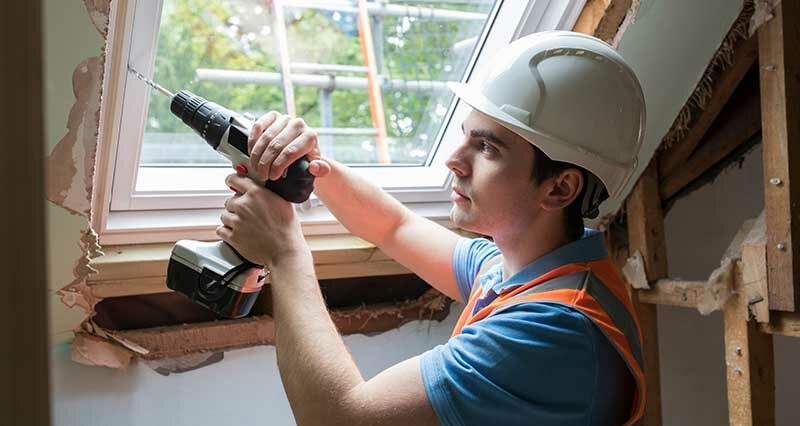
Working with a certified window installer gives you professional training, manufacturer warranty protection, proper sealing and insulation, building code compliance, and lead-safe work practices that a DIY approach or an unlicensed handyman cannot match. According to the U.S. Department of Energy, heat gain and heat loss through windows are responsible for 25% to 30% of residential heating and cooling energy use, and even the best window on the market will not perform to its rated efficiency if it is installed incorrectly. For homeowners in Newberg, Portland, and across the Willamette Valley, hiring a certified professional is not just about convenience. It is about protecting your investment, your home’s comfort, and your family’s safety. This guide covers every reason why certified installation matters, what certifications to look for, and how the right installer makes a real difference in your home.
What Are the Benefits of Using a Certified Window Installer?
The benefits of using a certified window installer include proper fit and sealing, full manufacturer warranty coverage, compliance with local building codes, energy efficiency that matches the window’s rated performance, lead-safe work practices for older homes, and a finished result that lasts for decades. A certified installer has completed hands-on training and passed exams that prove they know how to handle every step of the process correctly.
According to the Fenestration and Glazing Industry Alliance (FGIA), improper installation is the number one cause of window product failure. A window that is not shimmed, sealed, and insulated properly will develop air leaks, water intrusion, and condensation problems, sometimes within the first year. One industry analysis found that compromised seals from poor installation can increase air infiltration by up to 25%, which directly raises your heating and cooling bills.
Homeowners in Newberg and Portland who invest in high-quality replacement windows deserve an installation that protects that investment. A certified installer eliminates the guesswork and gives you a result that performs exactly the way the manufacturer intended.
What Does a Certified Window Installer Do?
A certified window installer measures your existing openings precisely, removes old windows safely, prepares the frame and surrounding structure, installs the new window with proper shimming and leveling, applies weatherproof sealant and insulation, verifies that the window operates correctly, and cleans up the work area when the job is done. They also know how to identify and adapt to structural problems like out-of-square frames, rotted wood, or hidden moisture damage that a homeowner might miss.
Beyond the physical work, a certified installer stays current on local building codes, manufacturer guidelines, and industry best practices. For homes built before 1978, they follow EPA-mandated lead-safe work practices to protect your family from hazardous lead dust. This level of knowledge and attention is what separates a certified professional from someone who simply owns a caulk gun and a pry bar.
Do You Need Certification to Install Windows?
Yes, you need certification to install windows if you want the job done to industry standards and you want your manufacturer warranty to remain valid. Most major window manufacturers, including Milgard and Marvin, require that their products be installed by a certified professional for the warranty to apply. If you install the windows yourself or hire an uncertified contractor, you risk voiding that warranty entirely.
The most recognized certification in the window industry is the AAMA InstallationMasters program. According to the Fenestration and Glazing Industry Alliance, this program was created jointly by the U.S. Department of Energy and the American Architectural Manufacturers Association (AAMA) to train and certify installers of windows and patio doors in the residential and light commercial markets. AAMA has been offering third-party product certification since 1962 and has been accredited by the American National Standards Institute (ANSI) since 1972.
Homeowners in the Portland metro area should always ask their window company about installer certifications before signing a contract. A company like EnergyGuard Windows & Doors in Newberg is both AAMA Installation Master certified and EPA Lead-Safe Certified, which means every installation meets the highest industry standards.
How Do You Become a Certified Window Installer?
You become a certified window installer by enrolling in the AAMA InstallationMasters training program, completing a multi-day course taught by FGIA-approved instructors, and passing a written exam. The curriculum covers proper installation of windows and doors for both new construction and replacement projects. Topics include water intrusion management, proper sealing and insulation techniques, structural performance, and manufacturer-specific guidelines.
Certification is not a one-time event. AAMA-certified installers must stay up to date through continuing education and recertification as codes, products, and installation techniques change. This ongoing training is one of the biggest differences between a certified installer and a general contractor who happens to do window work on the side.
What Qualifications Do You Need to Install Windows Professionally?
The qualifications you need to install windows professionally include AAMA InstallationMasters certification, EPA Lead-Safe Certification (required by federal law for work on pre-1978 homes), a valid state contractor’s license, liability insurance, and hands-on experience with the specific window brands you will be installing. In Oregon, contractors must hold an active Construction Contractors Board (CCB) license to perform window installation work.
According to the U.S. Environmental Protection Agency, any contractor who performs work that disturbs painted surfaces in homes built before 1978 must be certified and trained in lead-safe work practices. The federal government banned consumer use of lead-based paint in 1978, but it is still present in millions of homes across the country. The U.S. Consumer Product Safety Commission estimates that about two-thirds of homes built before 1940, and about half of homes built between 1940 and 1960, contain heavily leaded paint.
For homeowners in Salem and the surrounding communities, this means that hiring an unlicensed or uncertified installer for an older home is not just risky for your windows. It is a potential health hazard for your family. Certified professionals like those at EnergyGuard follow strict containment, cleanup, and disposal procedures that keep lead dust out of your living space.
Can DIY Window Installation Void Your Warranty?
Yes, DIY window installation can void your warranty. Most major window manufacturers include language in their warranty terms stating that the product must be installed by a qualified professional for the warranty to remain valid. If you install the windows yourself and a problem develops with the seal, the glass, or the frame, the manufacturer can deny your warranty claim because the installation was not performed by a certified installer.
This is not a small detail. A quality replacement window can carry a warranty of 20 years or more. Voiding that warranty by doing the installation yourself means you absorb the full cost of any future repairs or replacements. According to one industry report, a mismatched glass unit or improper sealing can increase annual utility bills by $300 to $400 in temperate climates. Multiply that over the life of the window and the real cost of DIY becomes clear.
Homeowners across Beaverton and Tigard who are considering DIY should also know that new windows lower energy bills only when they are installed correctly. A window with a rated U-factor of 0.25 will not perform at that level if there are gaps in the seal, missing insulation around the frame, or improper flashing that allows water behind the siding.
Does Professional Installation Improve Window Energy Efficiency?
Yes, professional installation directly improves window energy efficiency. The U.S. Department of Energy states that heat gain and heat loss through windows account for 25% to 30% of residential heating and cooling energy use. A properly installed window with tight seals, correct insulation, and precise fit will perform at or near its NFRC-rated U-factor and SHGC values. A poorly installed window will not.
According to the U.S. Department of Energy, Low-E coated windows reduce energy loss by 30% to 50% compared to standard glass, but those numbers assume correct installation. Air gaps around the frame, missing foam insulation, or improperly applied sealant can erase much of that performance. Even a one-millimeter misalignment in the sash can raise air infiltration by 15%, according to one building science analysis.
Oregon sits in ENERGY STAR’s Northern climate zone, which has some of the strictest U-factor requirements in the country. Homeowners in Portland and Newberg who invest in high-performance windows need an installer who understands how to preserve every bit of that rated performance. Choosing the best energy-efficient windows for your home is only half the equation. The other half is making sure they are installed right.
What Skills Do Window Installers Need?
Window installers need precise measurement skills, knowledge of building science and thermal envelopes, experience with weatherproofing and flashing techniques, the ability to identify structural problems like rot or water damage, familiarity with local building codes, and the physical ability to handle heavy glass units safely. They also need product-specific training from the window manufacturers they work with.
A certified installer from a company like EnergyGuard knows the exact installation requirements for both Milgard and Marvin window lines. Different window styles, like casement, double-hung, sliding, and picture windows, each have unique installation steps. A bay or bow window, for example, requires structural support and precise angling that a standard replacement does not. Getting these details wrong leads to water damage, air leaks, and operational problems down the road.
Homeowners in Tigard and across the Portland metro area should also look for installers who carry EPA Lead-Safe Certification. This training teaches installers how to safely contain and remove lead-contaminated materials, which is critical when replacing windows in older homes throughout the Willamette Valley.
How Long Does a Window Installer Take to Replace Windows?
A professional window installer typically takes 30 to 60 minutes per window for a standard replacement. A full home with 10 to 15 windows can usually be completed in one to two days. The exact time depends on the window style, the condition of the existing frame, whether structural modifications are needed, and whether the home has lead paint that requires special handling.
DIY window installation takes significantly longer. What a professional team completes in a day can stretch into a week or more for a homeowner without experience. During that time, your home is exposed to the elements, which is especially risky during Oregon’s rainy season. A professional crew arrives with the right tools, the right training, and the right plan to get the job done quickly without sacrificing quality.
Timing matters for another reason too. Homeowners in Newberg and Portland who schedule their window replacement during fall in Oregon get the benefit of mild, dry conditions for caulk curing and frame fitting, plus their new windows are ready before the cold, wet winter arrives.
Does a Certified Installer Protect You from Lead Paint Hazards?
Yes, a certified installer protects you from lead paint hazards by following EPA-mandated lead-safe work practices. According to the U.S. Environmental Protection Agency, anyone paid to perform work that disturbs painted surfaces in homes built before 1978 must be a certified firm with trained employees. Window replacement is specifically listed as a covered activity under the EPA’s Lead Renovation, Repair and Painting (RRP) Rule.
Lead dust created during window removal is one of the most common sources of lead exposure in older homes. A certified installer will contain the work area with plastic sheeting, mist surfaces to control dust, carefully wrap and bag all removed materials, and perform a thorough cleanup before the area is reopened. Oregon runs its own authorized RRP program, so installers working in Portland, Newberg, and Salem must meet both federal and state certification requirements.
The health risks of lead exposure are serious. Children are especially vulnerable. Hiring a certified, lead-safe installer is not optional for pre-1978 homes. It is a legal requirement and a critical safety measure. Homeowners in the Willamette Valley who live in older homes should always verify that their window and door replacement company holds current EPA Lead-Safe Certification.
Do You Need a Permit to Replace Windows in Oregon?
No, you do not need a permit to replace windows in Oregon if you are doing a like-for-like swap with no structural changes to the opening. According to the Oregon Building Codes Division, replacing doors and windows with no structural modifications is specifically listed as work that does not require a building permit. However, if you are cutting a new window opening, changing the size of an existing opening, or making any structural alteration, a permit is required.
A certified installer knows exactly when a permit is needed and when it is not. They also know the egress requirements under the Oregon Residential Specialty Code, which mandates that every sleeping room and basement have at least one emergency escape window that meets specific size and operability standards. The required clear opening must be at least 5.7 square feet, with a minimum width of 20 inches and a minimum height of 24 inches.
Getting egress requirements wrong can create serious safety issues and code violations that show up during a home inspection or real estate transaction. Certified installers in the Portland metro area deal with these requirements every day and know how to keep your project compliant.
How Does Certified Installation Affect Home Resale Value?
Certified installation improves home resale value by protecting your warranty, maximizing energy performance, and giving buyers confidence that the work was done right. According to the 2025 Remodeling Cost vs. Value Report by Remodeling Magazine, vinyl window replacement recoups approximately 68.5% of the project cost at resale. Homes with ENERGY STAR-certified windows sell for 2% to 6% more than comparable homes without them, according to industry data.
Buyers and home inspectors look closely at window quality. Visible signs of poor installation, like uneven gaps, cracked caulk, or moisture stains around the frame, are red flags that can lower your sale price or delay the closing. Being able to show that your windows were installed by an AAMA-certified professional adds credibility and removes a major negotiation point.
For homeowners in Portland, Beaverton, and Salem who are thinking ahead, window replacement increases home value most when the installation quality matches the product quality. A premium window with a poor installation is worth less than a mid-range window installed by a certified professional.
What Is a Professional Window Installer Called?
A professional window installer is called a fenestration installer, a glazier, or simply a window installation technician. In the industry, the most respected title is AAMA InstallationMasters Certified Installer, which means the individual has completed the nationally recognized training and certification program developed by the American Architectural Manufacturers Association and the U.S. Department of Energy.
Some companies also use terms like “certified dealer installer” or “factory-trained installer” to indicate that their team has received product-specific training directly from the window manufacturer. For homeowners in Newberg and the surrounding Oregon communities, the key thing to ask is whether the installer holds AAMA certification and EPA Lead-Safe Certification. Those two credentials together cover the most important aspects of a quality installation.
Why Does Oregon’s Climate Make Certified Installation Even More Important?
Oregon’s climate makes certified installation even more important because the combination of heavy rain, high humidity, and cool temperatures throughout much of the year puts extreme demands on window seals, flashing, and weatherproofing. The Willamette Valley receives an average of 40 to 50 inches of rain per year, most of it falling between October and May. A window that is not properly flashed and sealed will allow water behind the siding, into the wall cavity, and eventually into the framing, where it causes rot, mold, and structural damage.
Certified installers in Oregon understand how to manage water intrusion at every step. They install proper sill pans to catch any water that gets past the primary seal. They apply flashing tape in the correct sequence, overlapping each layer so water always runs away from the frame. They use the right type of sealant for Oregon’s temperature range and humidity levels. These are not steps that show up in a DIY YouTube video.
Oregon also sits in ENERGY STAR’s Northern climate zone, which has the strictest U-factor requirements in the country. Under ENERGY STAR Version 7.0, the prescriptive path for the Northern zone requires a U-factor of 0.22 or lower. Even a slight gap in the insulation around the frame can compromise that performance and raise your heating bills throughout Oregon’s long winter. A certified installer knows how to preserve every bit of rated performance.
For homeowners across the Salem area who are planning a window upgrade, working with a team experienced in Oregon’s specific weather patterns is critical. Companies serving replacement doors and windows in Salem deal with these conditions every day and know exactly how to protect your home against them.
What Does AAMA Certification Test For?
AAMA certification tests for three core performance areas in windows: air leakage, water penetration, and structural strength. According to the American Architectural Manufacturers Association, a window must meet an air leakage standard of 0.30 cubic feet per minute or lower at wind speeds of 25 miles per hour to pass. Windows are also subjected to the equivalent of 8 inches of rain per hour with increasing wind loads to test for water leakage. The structural strength test applies increasing wind force until the window fails, with a minimum standard that the window must withstand winds of 94 miles per hour.
The AAMA Gold Label, which appears on windows that have passed all three tests, is the highest product certification available. Windows with the AAMA Silver Label have been certified for thermal performance and condensation resistance but have not gone through the full air, water, and structural testing. According to Brennan Enterprises, the AAMA has had nearly 100 manufacturers in its certified products database, and the stringent certification procedures help confirm that products perform to the same standard as the tested sample.
For homeowners in Beaverton and Portland, seeing an AAMA Gold Label on a window tells you the product has been independently tested and meets strict benchmarks for real-world performance. But the product certification only holds up if the installation matches. That is why AAMA also created the InstallationMasters program, to close the gap between product quality and installation quality. Homeowners considering both replacement doors and windows should look for the same AAMA certifications on both products and installers.
What Should You Look for When Hiring a Window Installer in Oregon?
When hiring a window installer in Oregon, you should look for AAMA InstallationMasters certification, EPA Lead-Safe Certification, an active Oregon CCB license, proof of liability insurance, a strong track record of reviews, and experience with the specific window brands you are considering. A company that checks all of these boxes has invested in the training and credentials that protect your home and your money.
You should also ask about the installer’s warranty on labor, separate from the manufacturer’s product warranty. A reputable company will stand behind their work with a written guarantee. If something goes wrong with the installation, you want a company that will come back and fix it at no cost. Homeowners across Portland should always verify these credentials before signing a contract.
A company that offers a free in-home consultation before any work begins shows confidence in their process. This step allows the installer to assess your existing windows, measure your openings, check for structural issues, and recommend the right products for your home and budget. The team at EnergyGuard provides free in-home design consultations to homeowners across Newberg and the surrounding communities.
The table below compares the key differences between certified and uncertified window installation:
| Factor | Certified Installer | Uncertified / DIY |
|---|---|---|
| Manufacturer Warranty | Fully protected | Often voided |
| Energy Performance | Matches rated U-factor/SHGC | Reduced by air gaps and poor sealing |
| Lead-Safe Practices (pre-1978) | EPA-certified and legally compliant | Not guaranteed; potential health risk |
| Building Code Compliance | Verified by trained professionals | Easy to miss egress and safety codes |
| Installation Time (10 windows) | 1-2 days | 1+ weeks |
| Water Damage Risk | Minimized with proper flashing | High without proper techniques |
| Resale Value Impact | Adds documented quality | May raise red flags for buyers |
Sources: Fenestration and Glazing Industry Alliance, U.S. Department of Energy, U.S. Environmental Protection Agency, Remodeling Magazine 2025 Cost vs. Value Report
Frequently Asked Questions
Is It Worth Paying More for a Certified Window Installer in Newberg?
Yes, it is worth paying more for a certified window installer in Newberg. A certified installer protects your manufacturer warranty, delivers energy performance that matches the window’s rated specifications, and follows lead-safe work practices required by the EPA for older homes. According to the Fenestration and Glazing Industry Alliance, improper installation is the top cause of window product failure. The small additional cost of certified installation pays for itself by avoiding costly repairs, higher energy bills, and voided warranties down the road.
How Do I Know If My Window Installer Is Certified in Portland?
You can verify if your window installer is certified in Portland by asking for their AAMA InstallationMasters certification number and their EPA Lead-Safe Certification. You can check Oregon contractor licenses through the Oregon Construction Contractors Board (CCB) online database. A reputable company will provide these credentials without hesitation. EnergyGuard Windows & Doors in Newberg is AAMA Installation Master certified, EPA Lead-Safe Certified, and holds an active Oregon CCB license.
What Happens If Windows Are Installed Incorrectly?
If windows are installed incorrectly, you can experience air leaks, water intrusion, condensation between panes, drafts, higher energy bills, difficulty opening and closing the sash, and mold growth around the frame. According to the U.S. Department of Energy, about 30% of home heating energy is lost through windows, and poor installation makes that problem significantly worse. Incorrect installation also voids most manufacturer warranties, leaving you responsible for the full cost of repair or replacement.
Does EnergyGuard Windows & Doors Use Certified Installers?
Yes, EnergyGuard Windows & Doors uses certified installers. The company is AAMA Installation Master certified and EPA Lead-Safe Certified, with over 40 years of experience serving homeowners across Newberg, Portland, Beaverton, Tigard, Salem, and the entire Willamette Valley. Every installation follows manufacturer guidelines and meets the strict ENERGY STAR Northern climate zone requirements for Oregon.
Can I Replace My Own Windows in Oregon Without a Contractor?
You can legally replace your own windows in Oregon if no structural changes are needed, since the Oregon Building Codes Division does not require a permit for like-for-like window replacements. However, doing the work yourself risks voiding the manufacturer warranty, creating air and water leaks, and missing egress code requirements. If your home was built before 1978, you must also handle lead paint safely, which requires training most homeowners do not have. Hiring a certified professional is the safer and smarter choice.
What Certifications Should a Window Company in the Portland Area Have?
A window company in the Portland area should have AAMA InstallationMasters certification, EPA Lead-Safe Certification, and an active Oregon Construction Contractors Board (CCB) license. It should also be a certified dealer for the window brands it sells, such as Milgard or Marvin. These credentials together confirm that the company has the training, legal standing, and manufacturer backing to install your windows correctly and protect your warranty.
Final Thoughts
The window you buy is only as good as the installation behind it. A certified installer brings the training, experience, and credentials to make sure every window in your home performs at its best, stays protected by its warranty, meets Oregon building codes, and keeps your family safe from lead hazards in older homes. The U.S. Department of Energy, the EPA, and the Fenestration and Glazing Industry Alliance all point to the same conclusion: professional, certified installation is the single most important factor in long-term window performance. For homeowners in Newberg, Portland, Beaverton, Tigard, and Salem, cutting corners on installation is a risk that costs more in the long run than it saves up front.
EnergyGuard Windows & Doors has been providing AAMA-certified, EPA Lead-Safe Certified window and door installation to homeowners across the Willamette Valley for over 40 years. The company is a certified Milgard and Marvin dealer with an A+ rating from the Better Business Bureau and hundreds of five-star reviews.
Call (503) 554-5500 today to schedule a free in-home design consultation and get a no-obligation quote on replacement windows installed by certified professionals who do the job right the first time.